
Urla Soap Factory
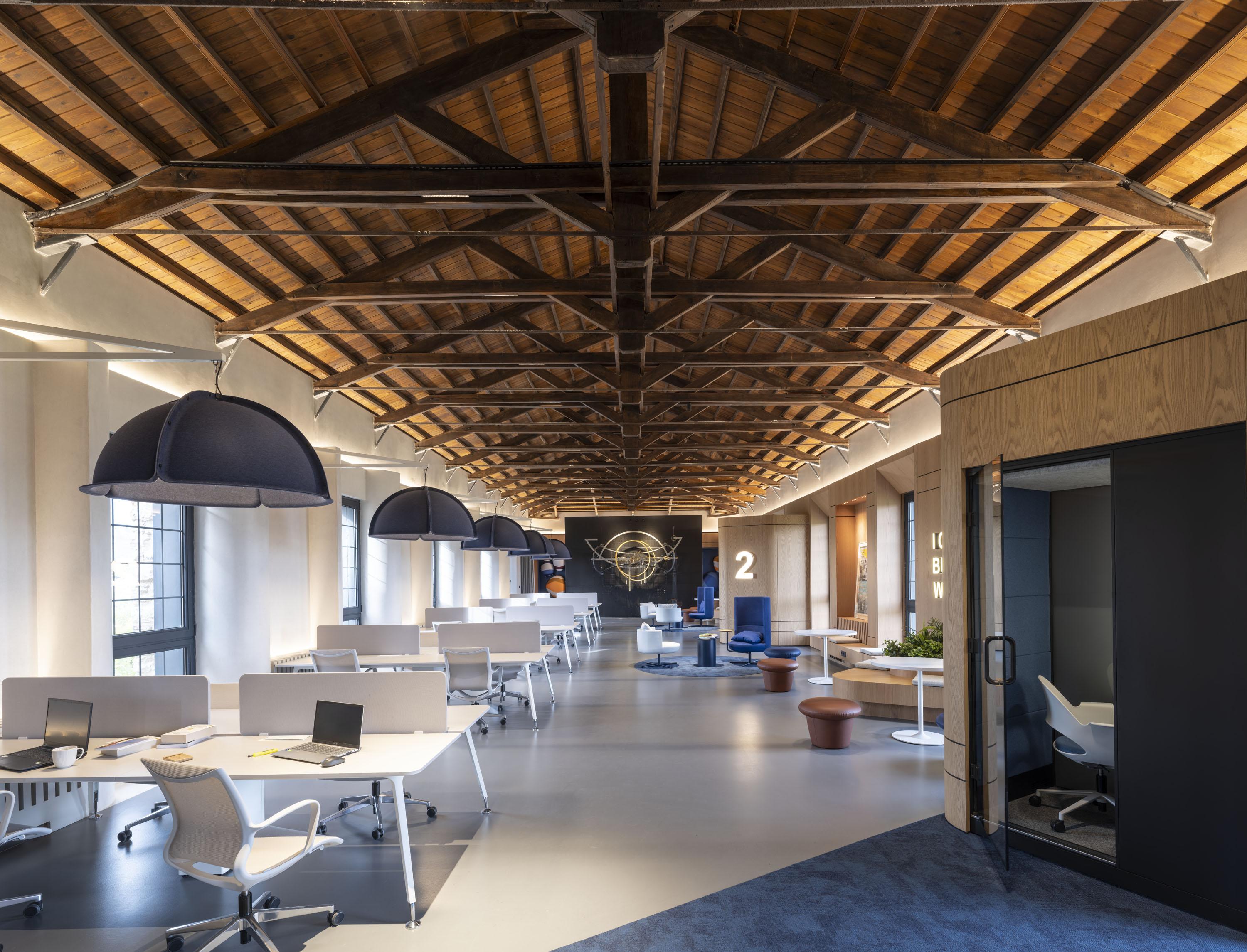
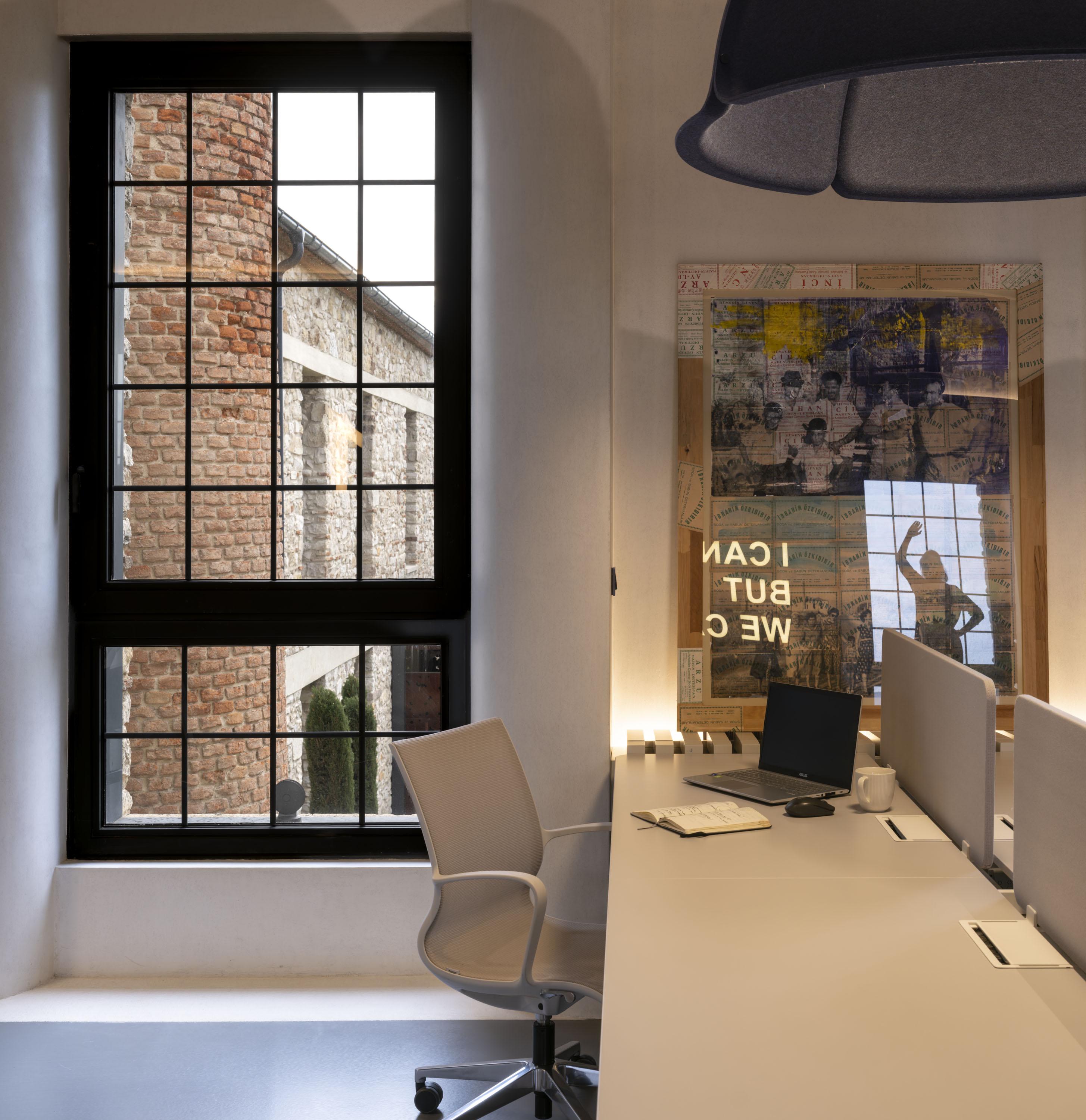
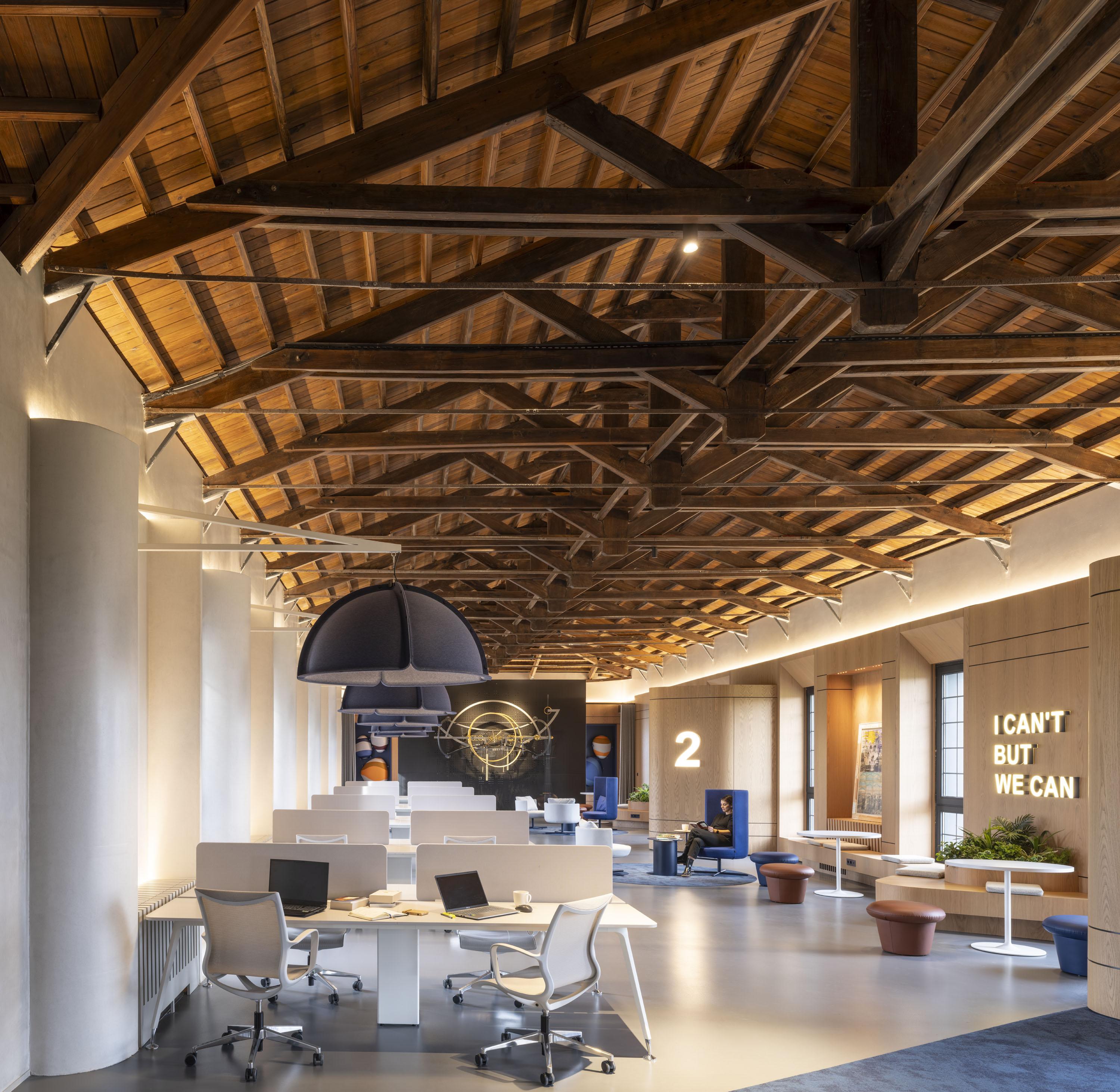
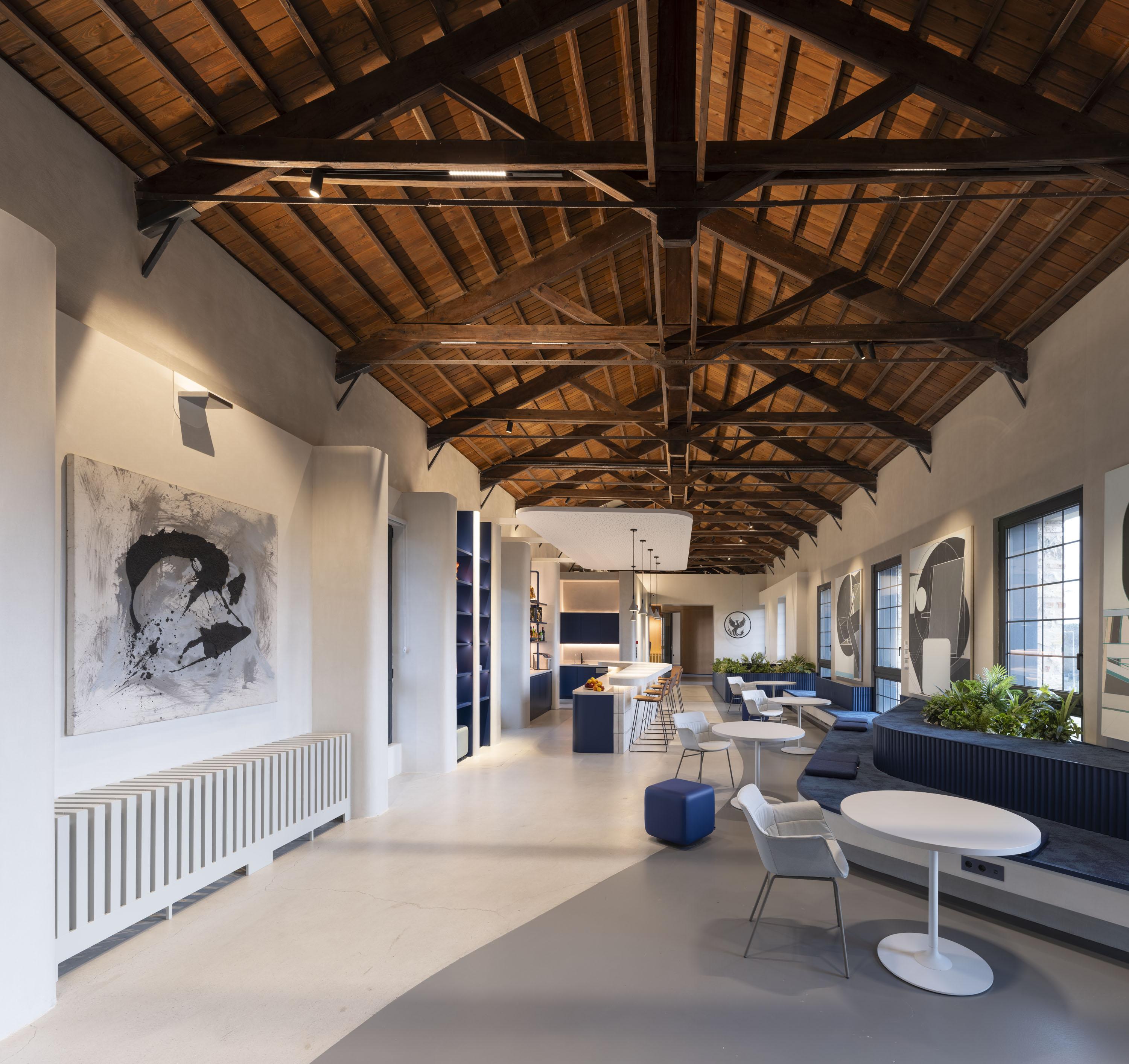
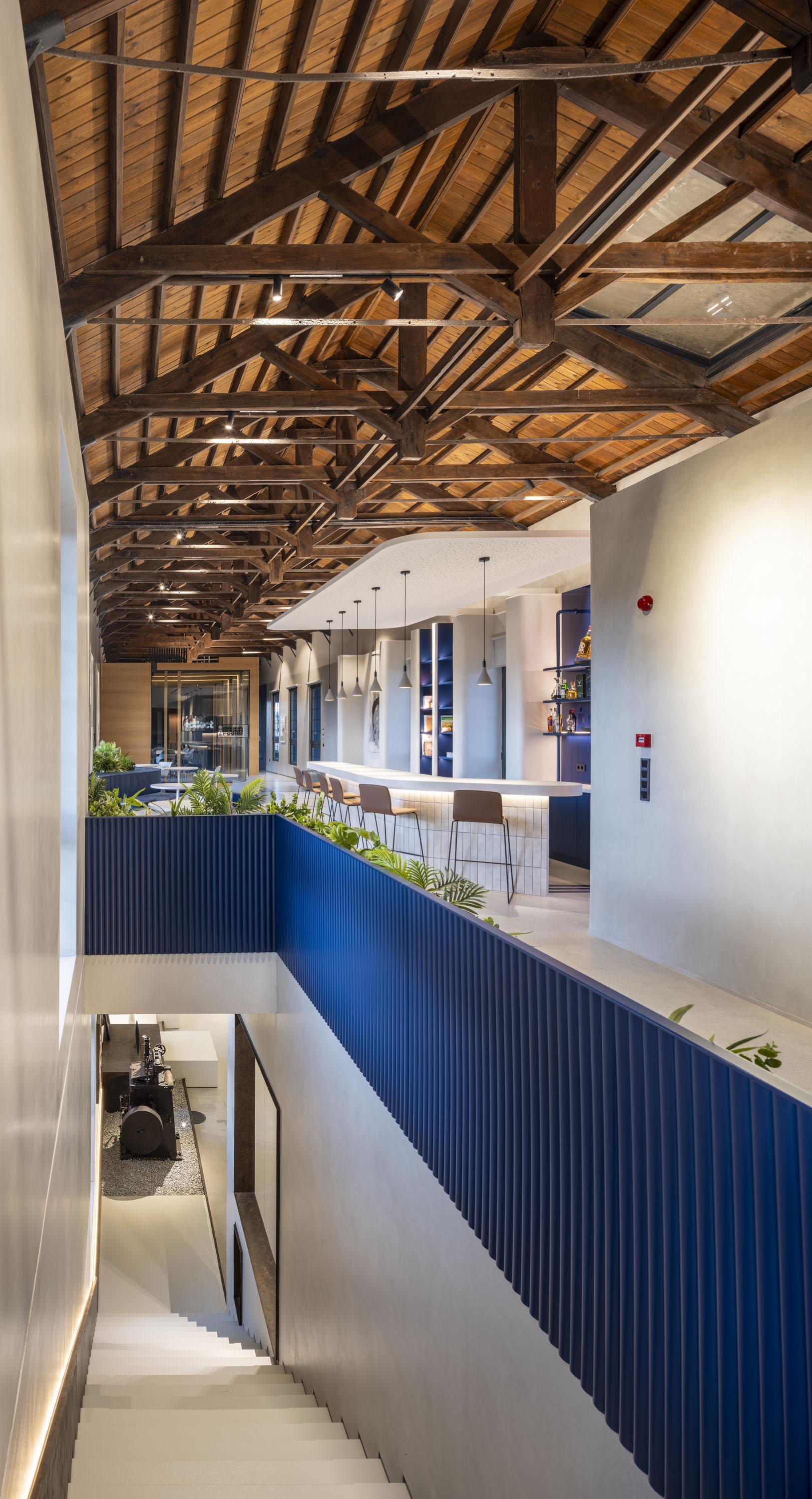
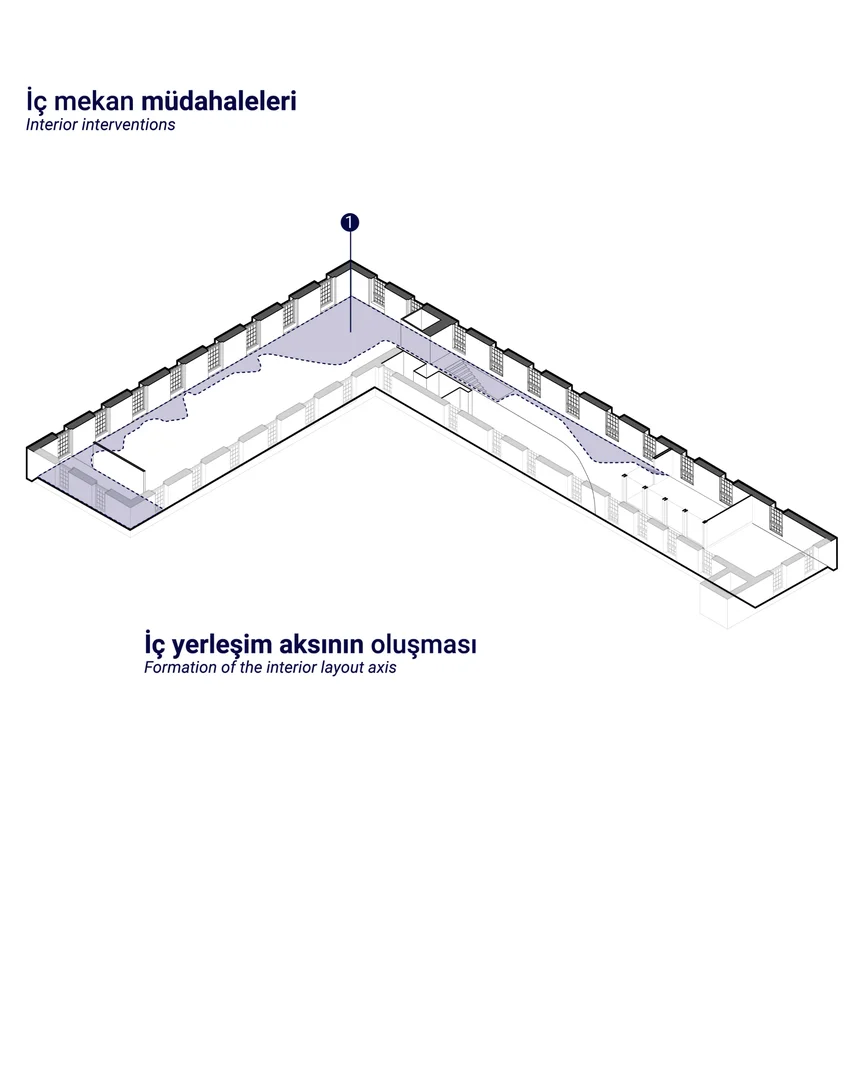
The former Urla Soap Factory represents a layered history of industrial production, adaptive reuse and contemporary working culture. Located in the İskele neighbourhood of Urla, the complex evolved into its present L-shaped configuration through a series of additions between the 1950s and 1970s. Defined by its stone masonry walls, timber roof structure and courtyard-based organisation, the factory was once an important part of the region’s soap production industry. Following years of abandonment after production ceased, the building was recognised as a significant example of local industrial heritage.
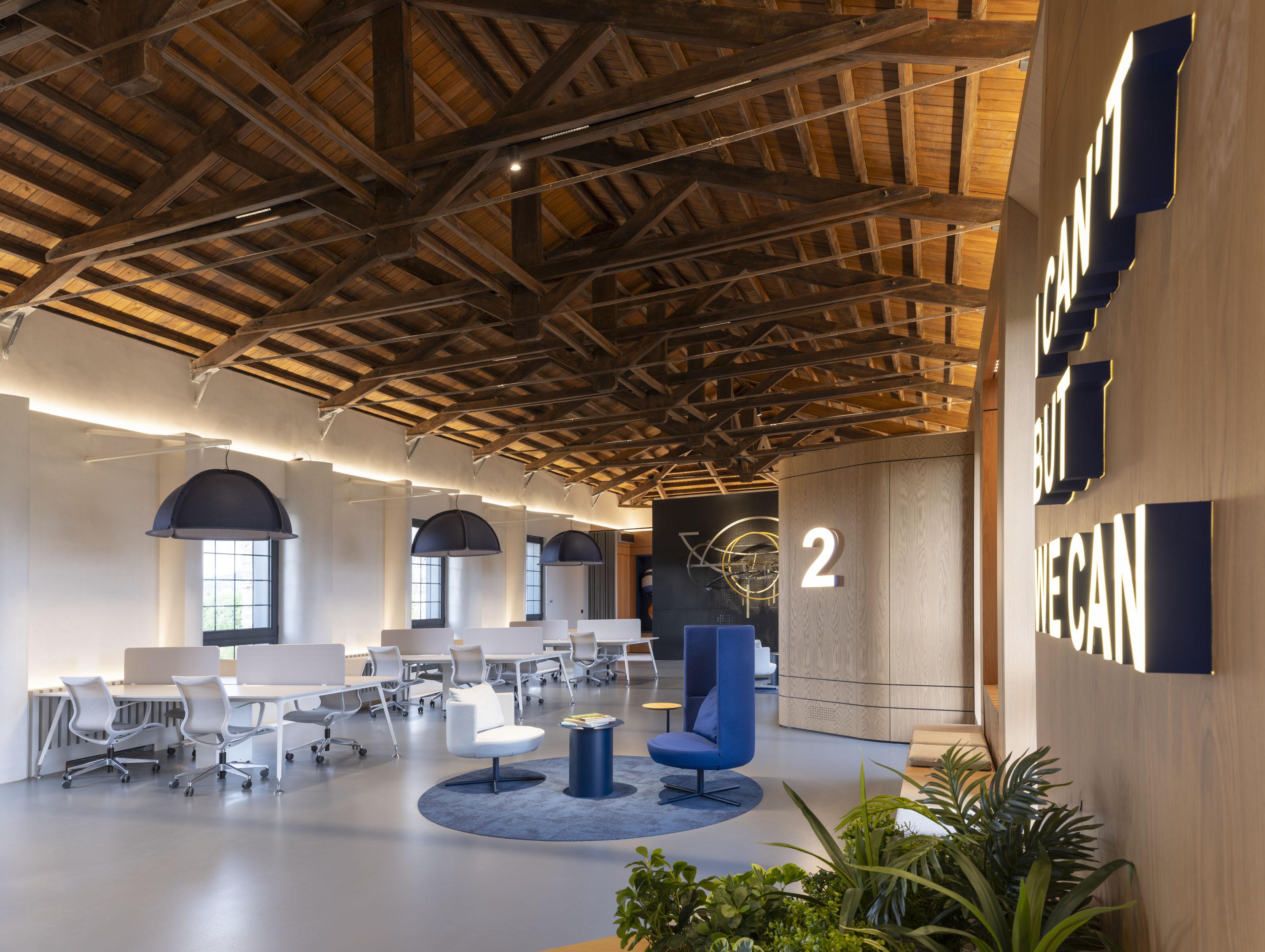
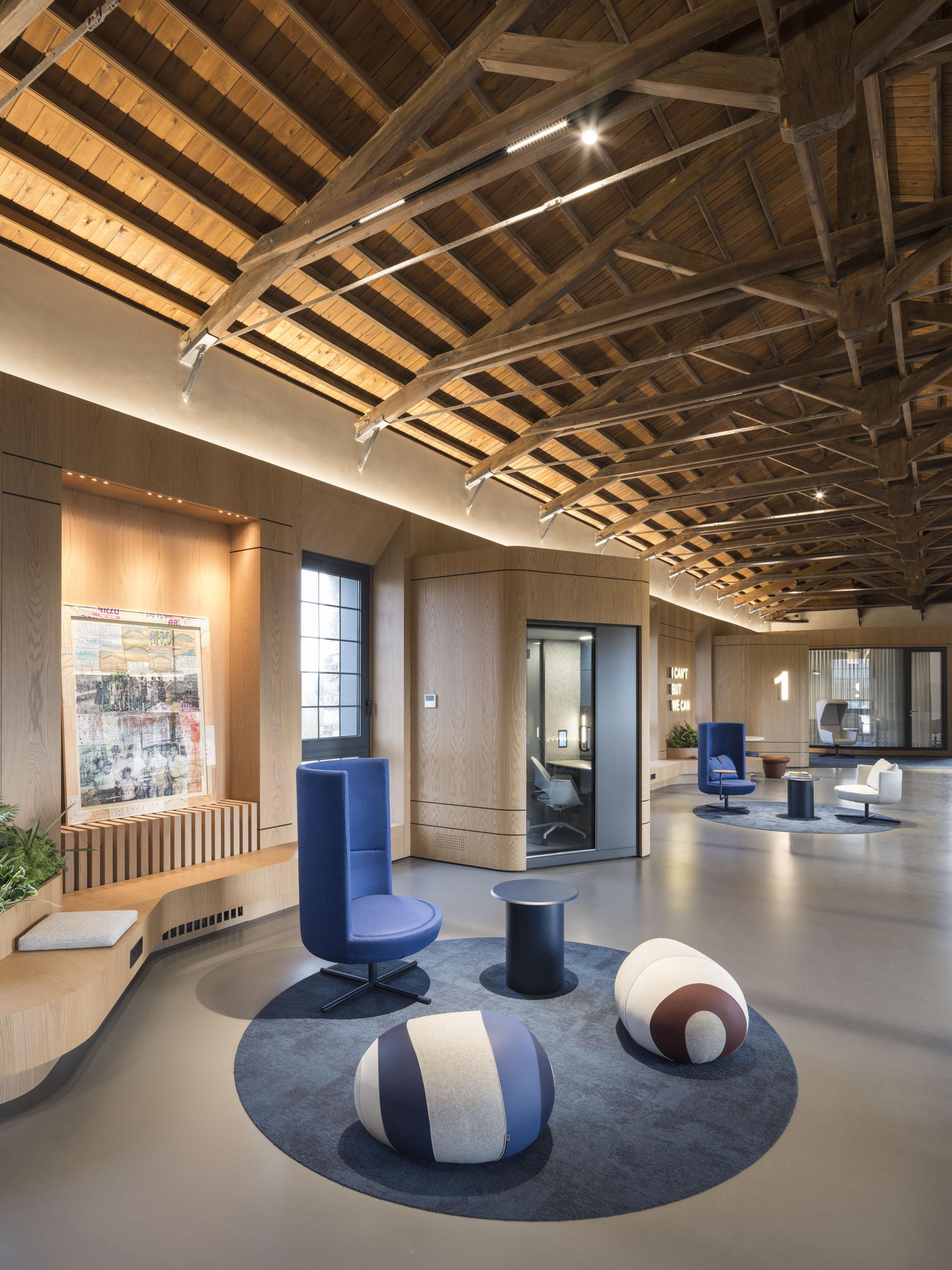
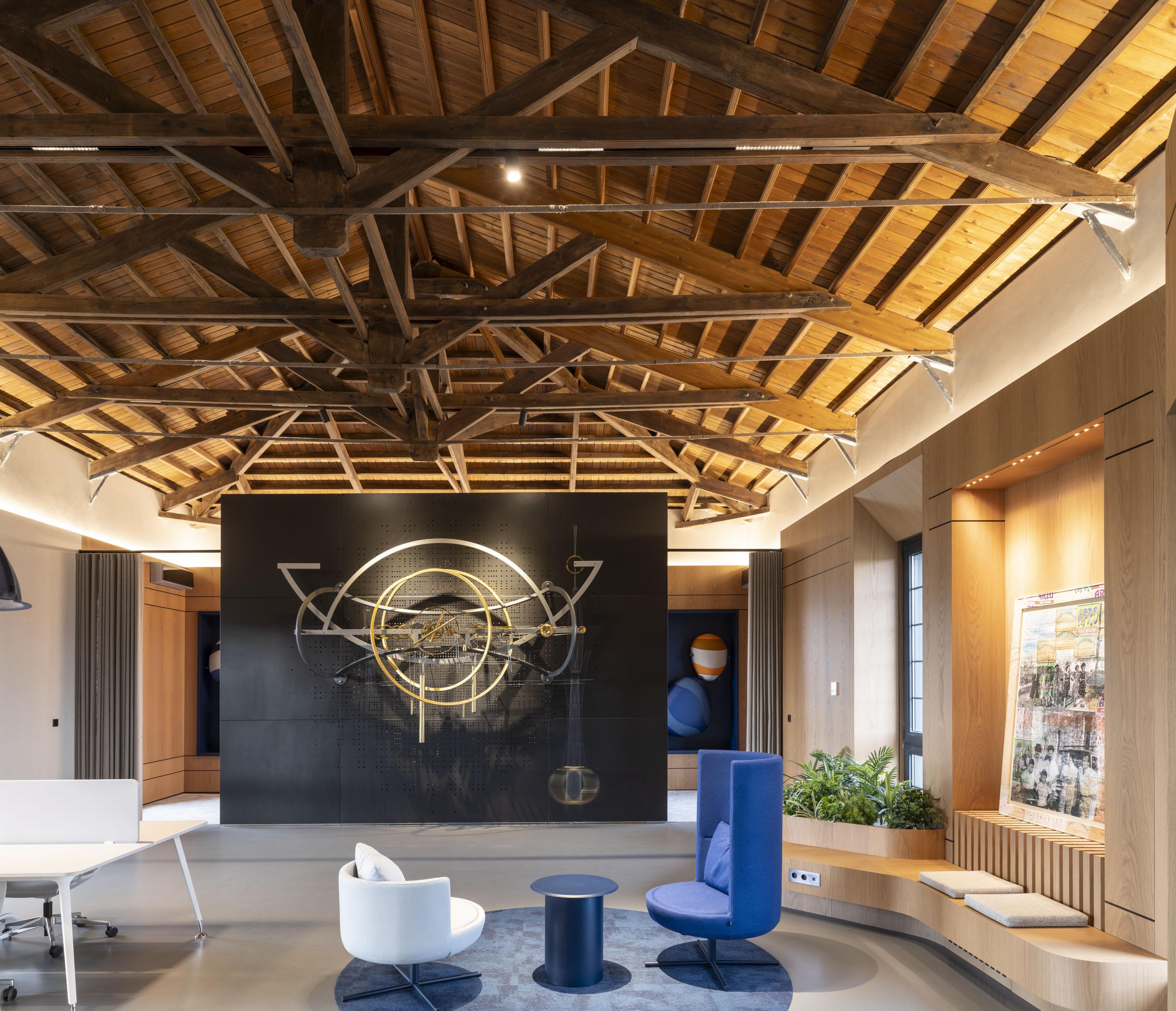
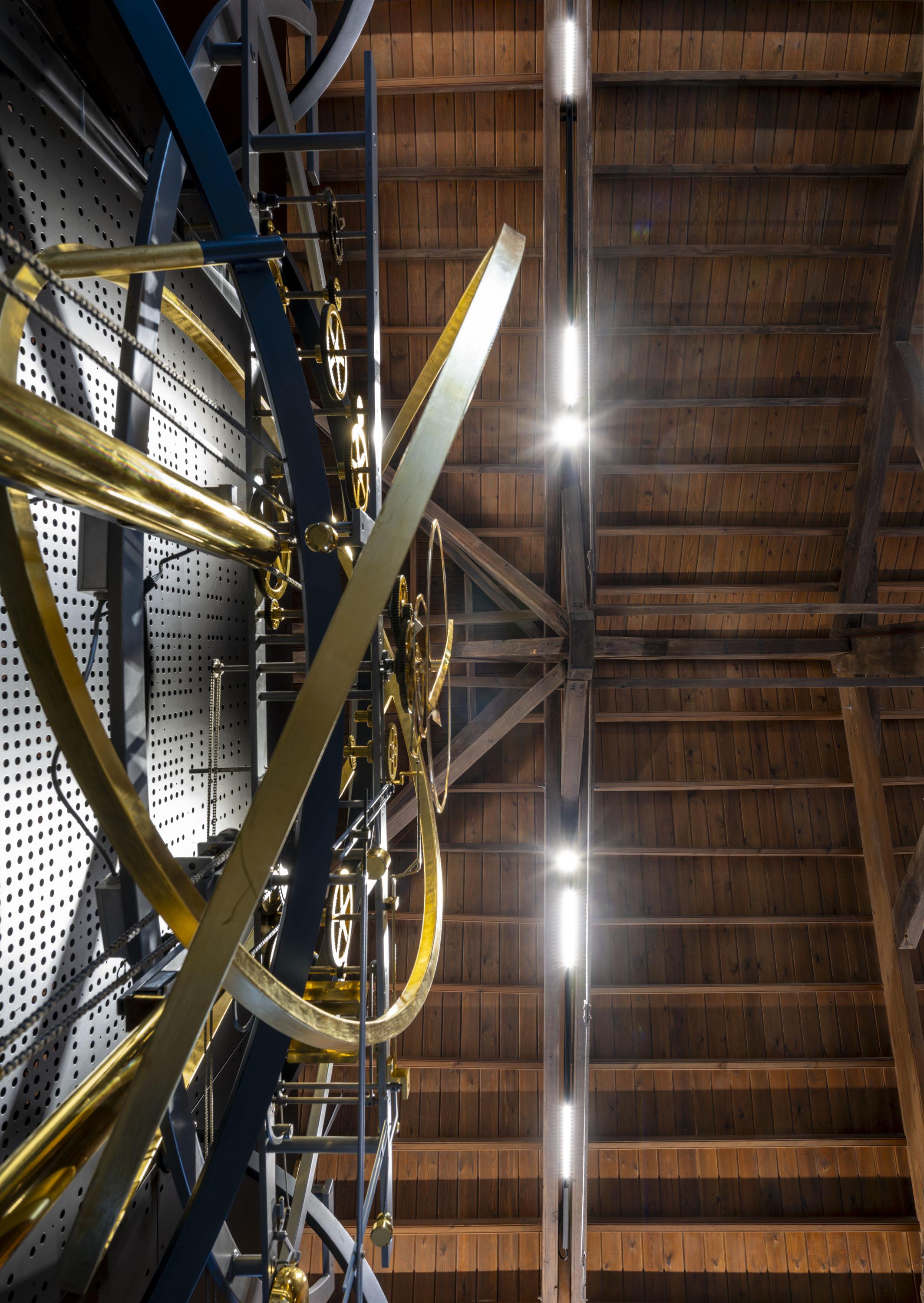
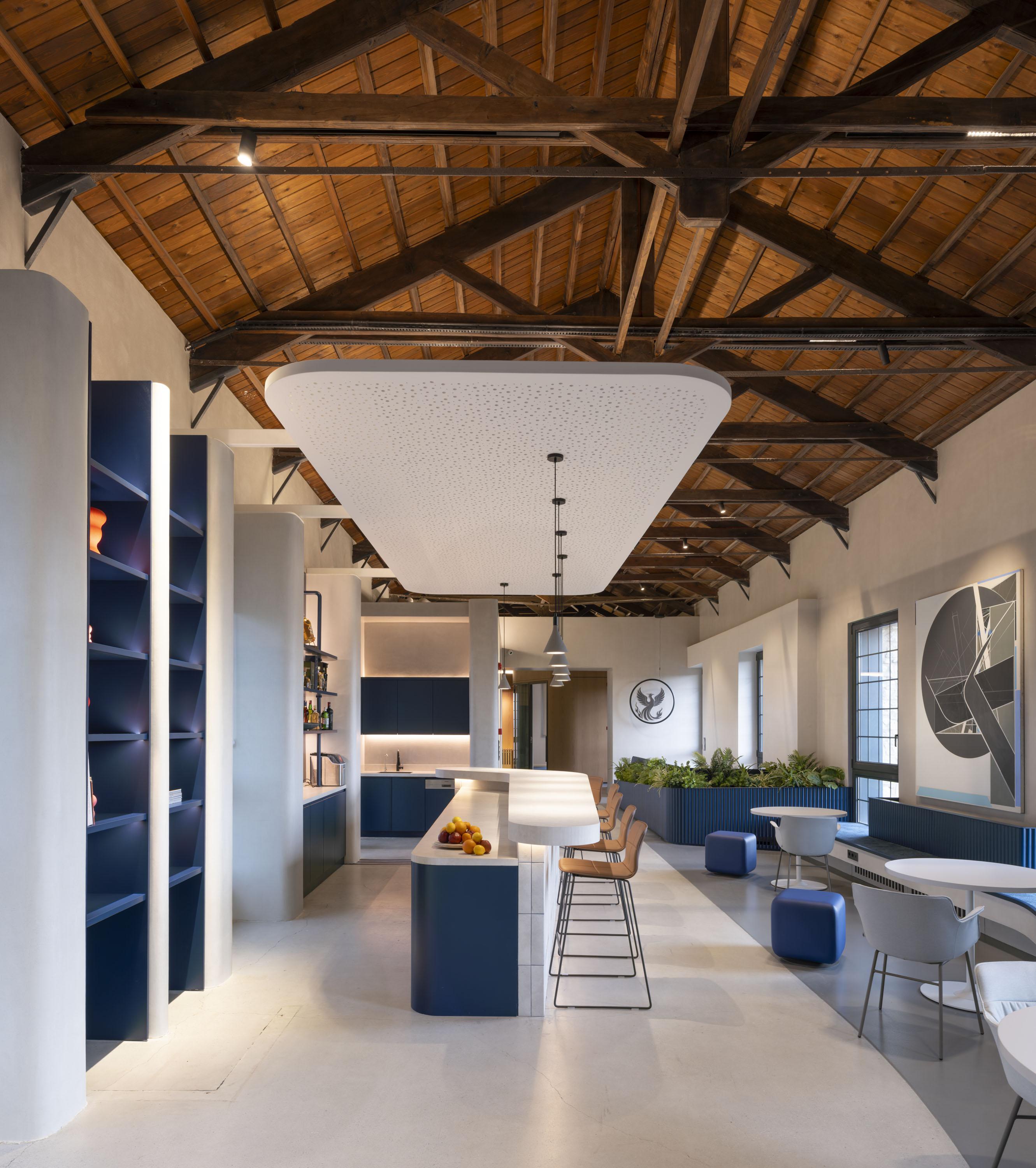
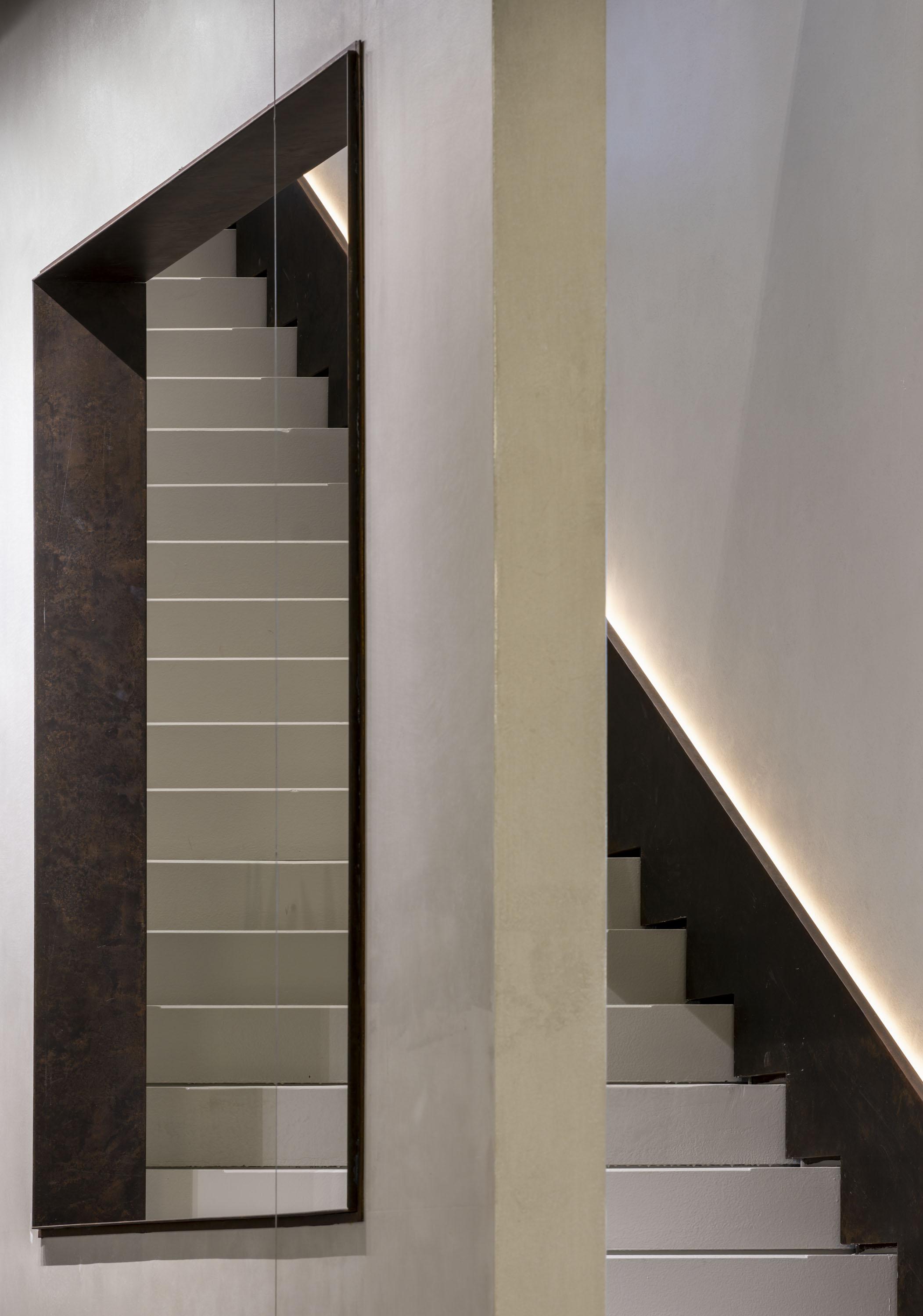
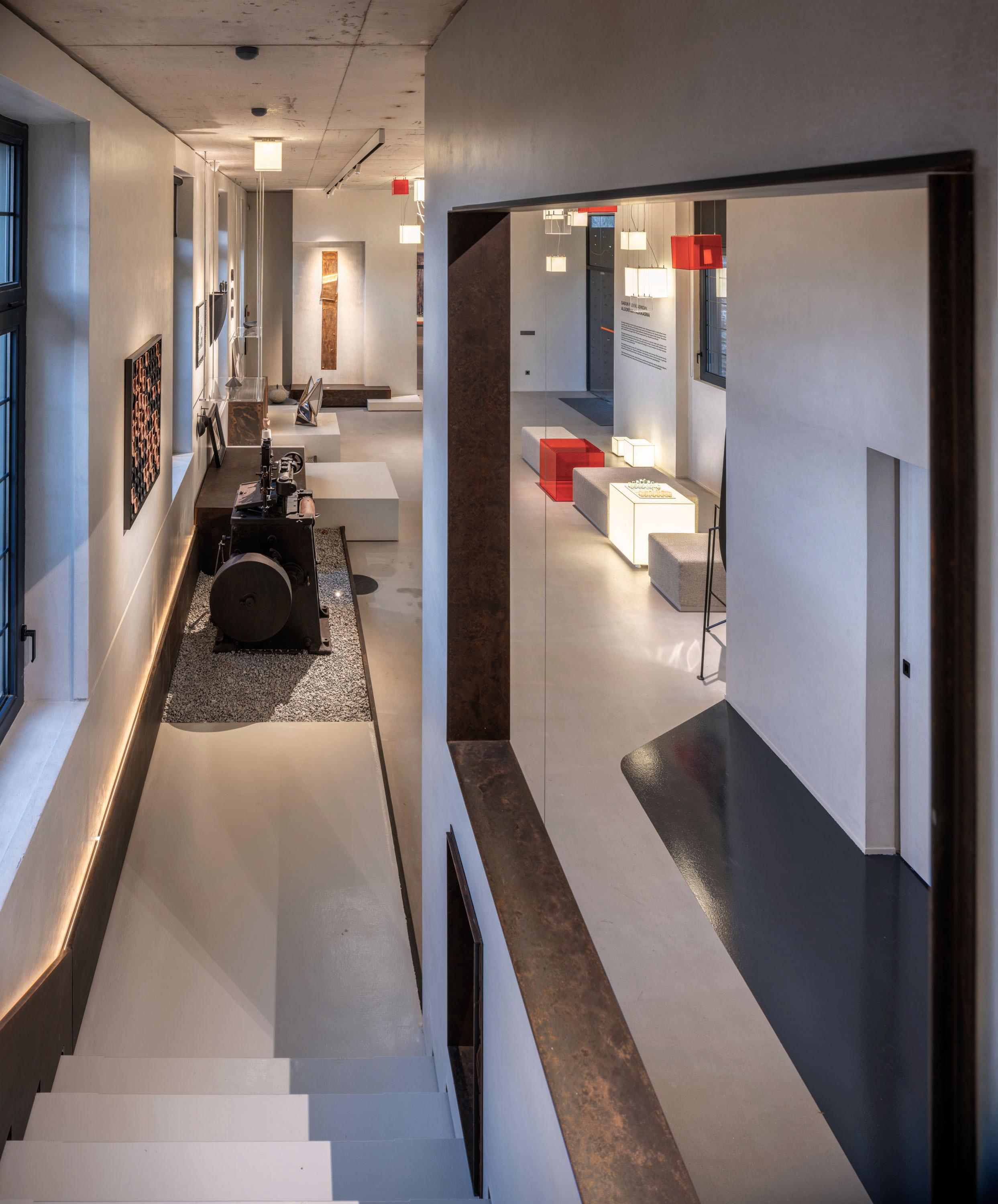
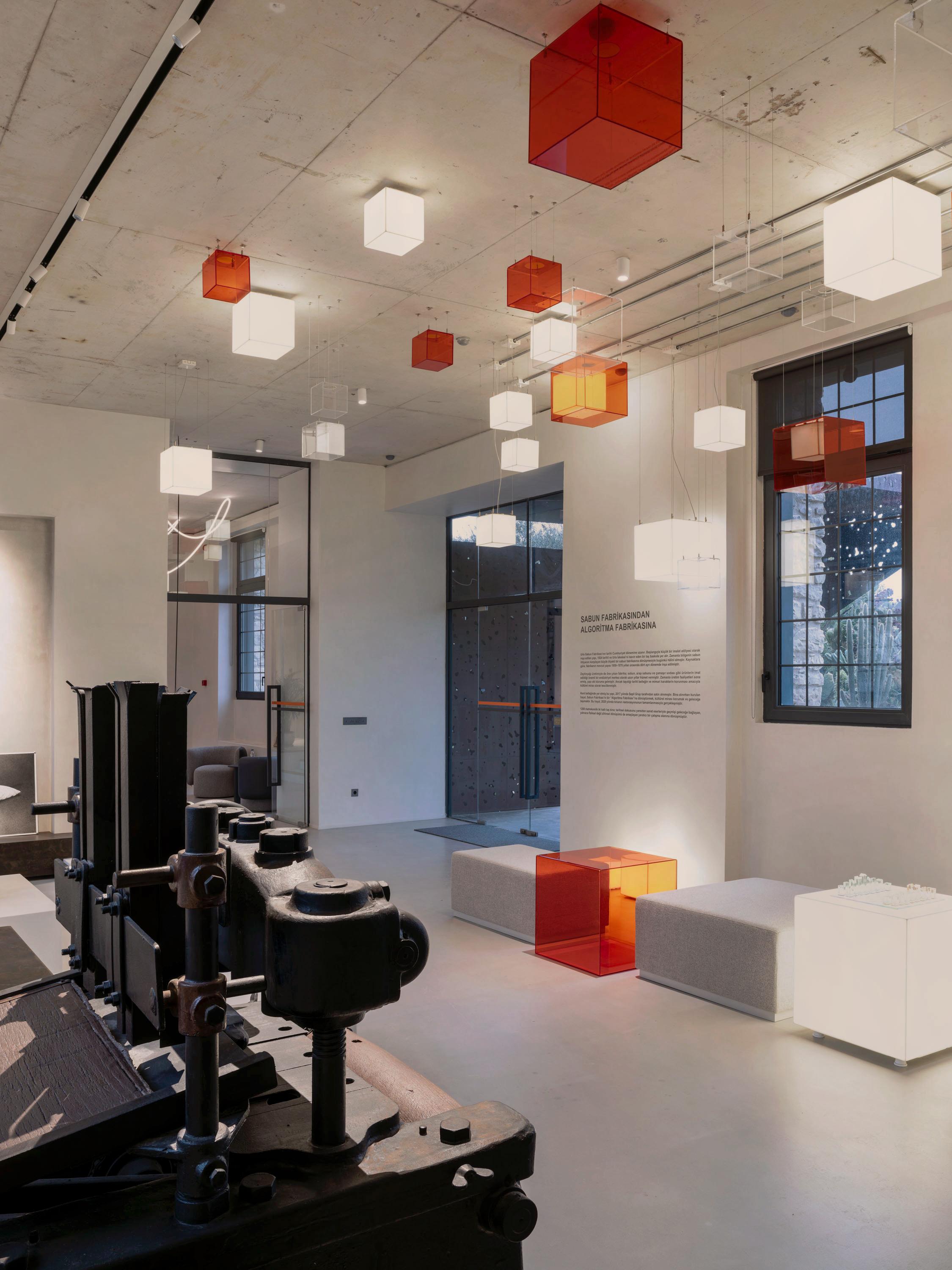
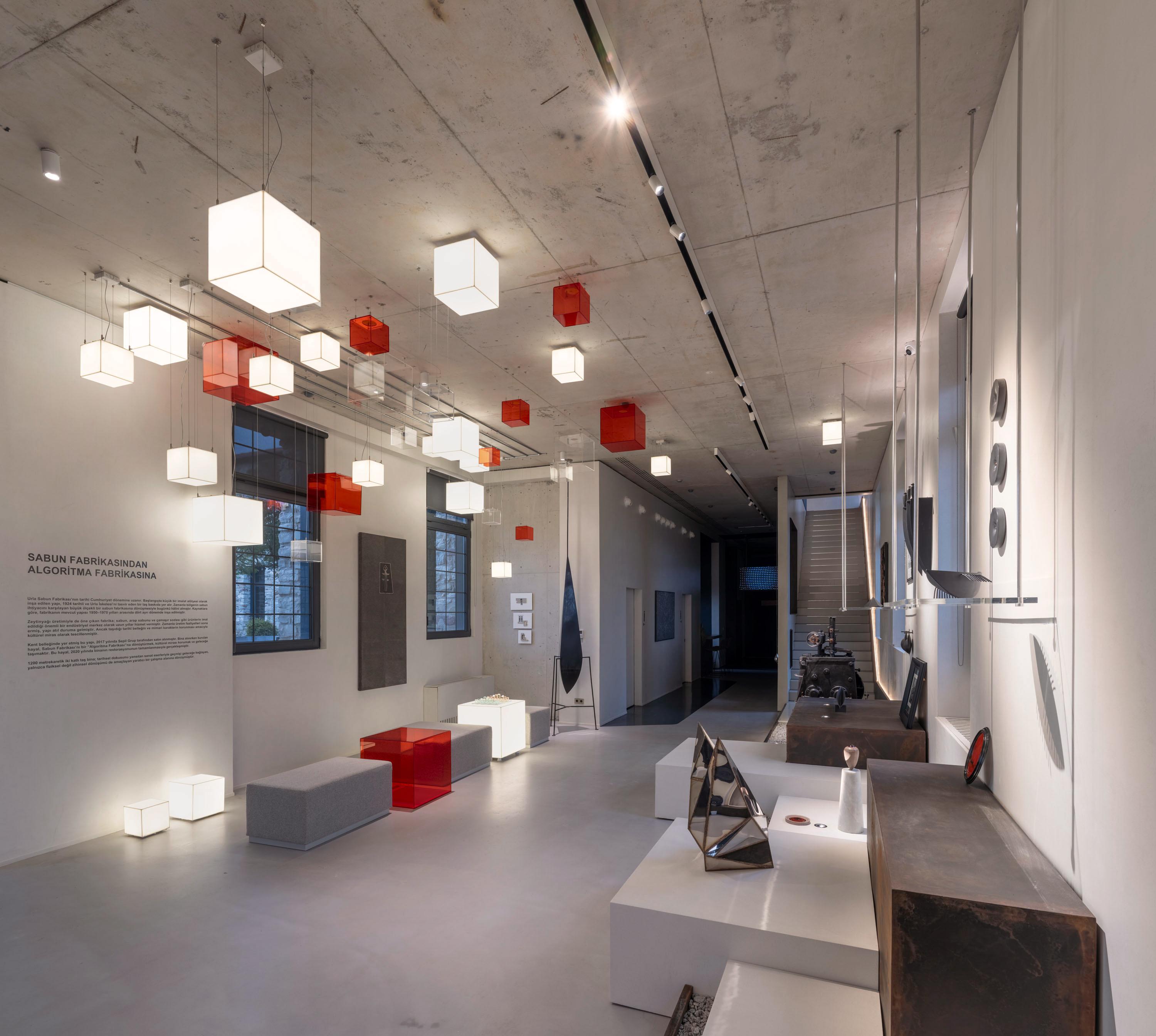
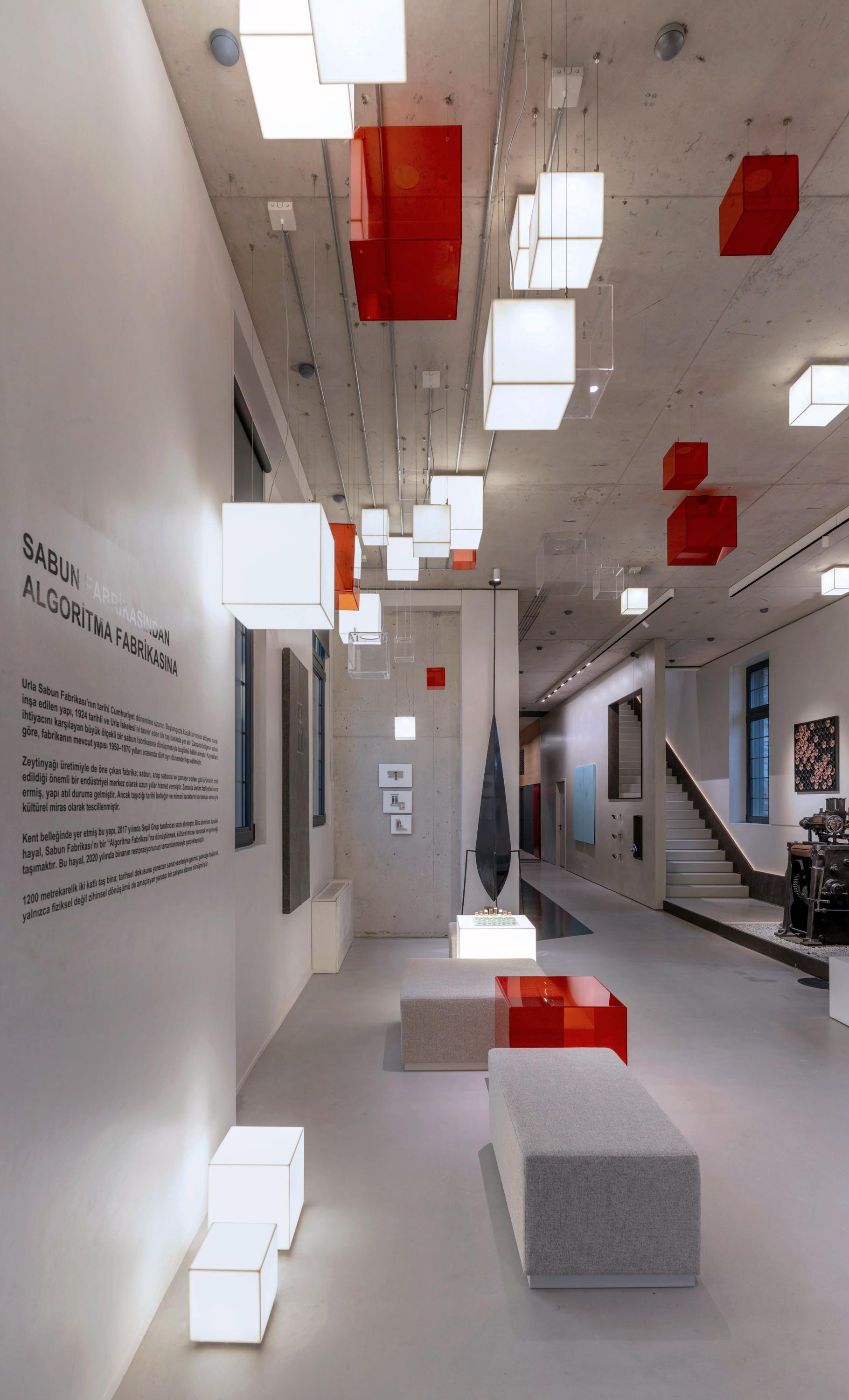
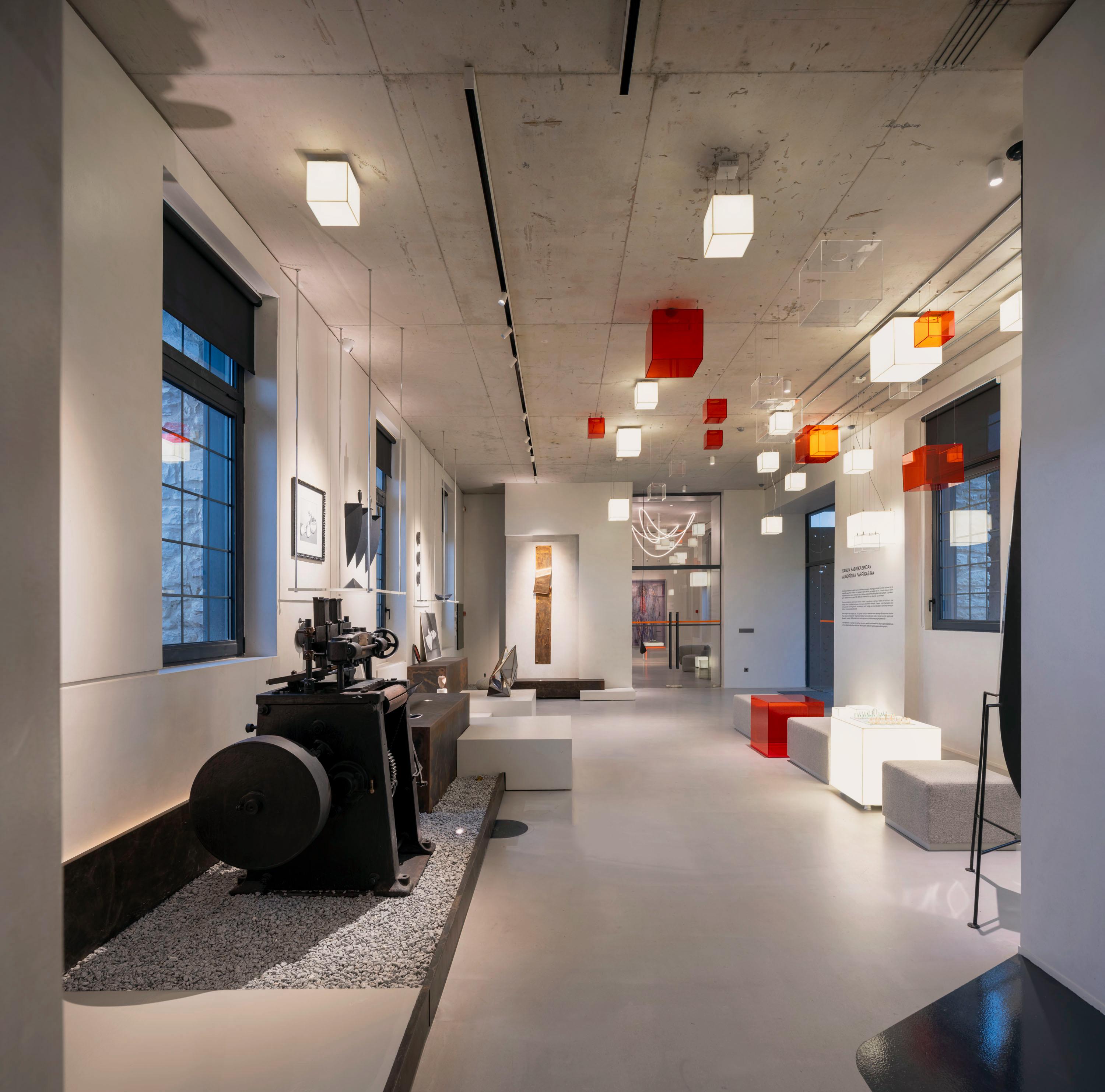
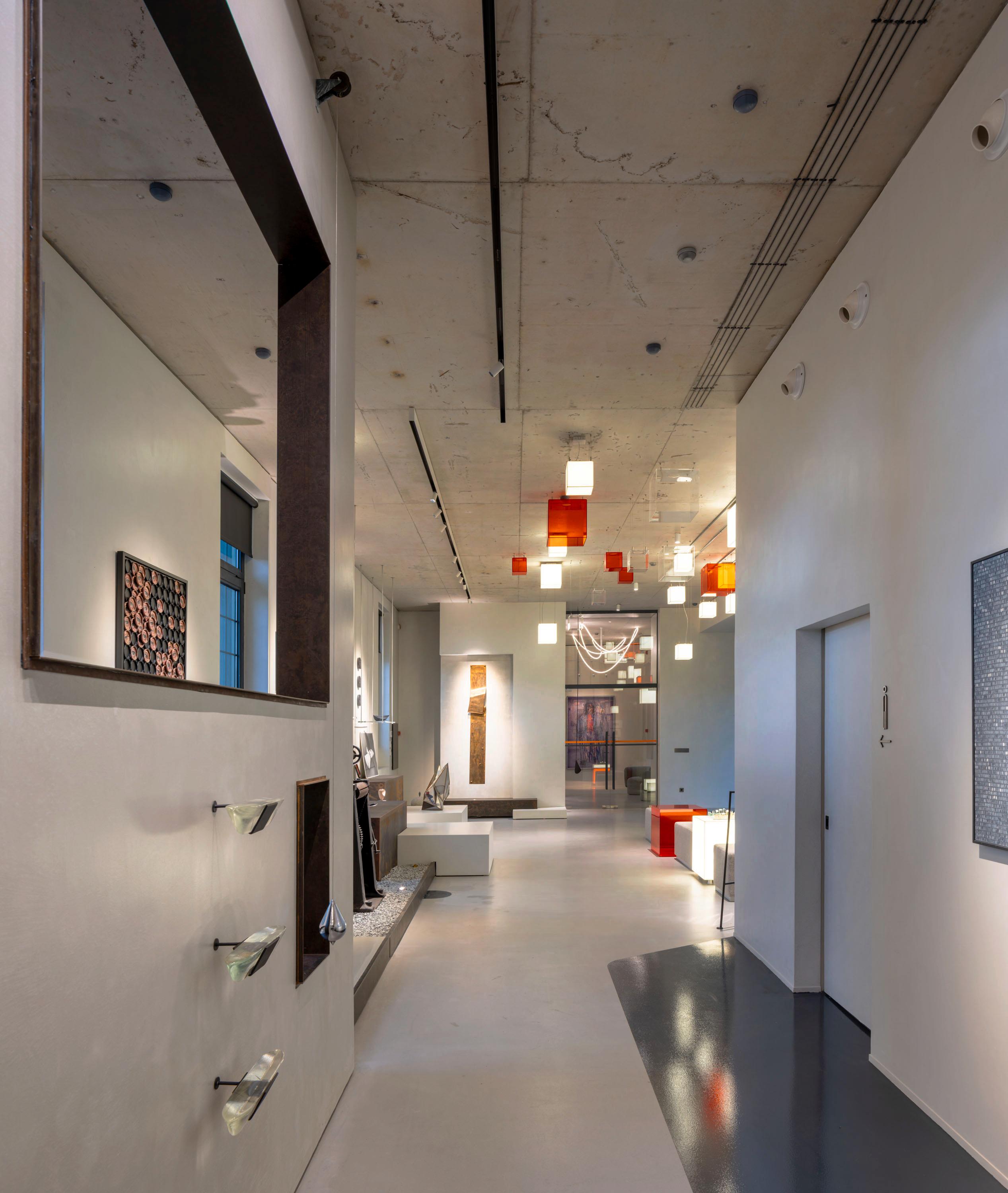
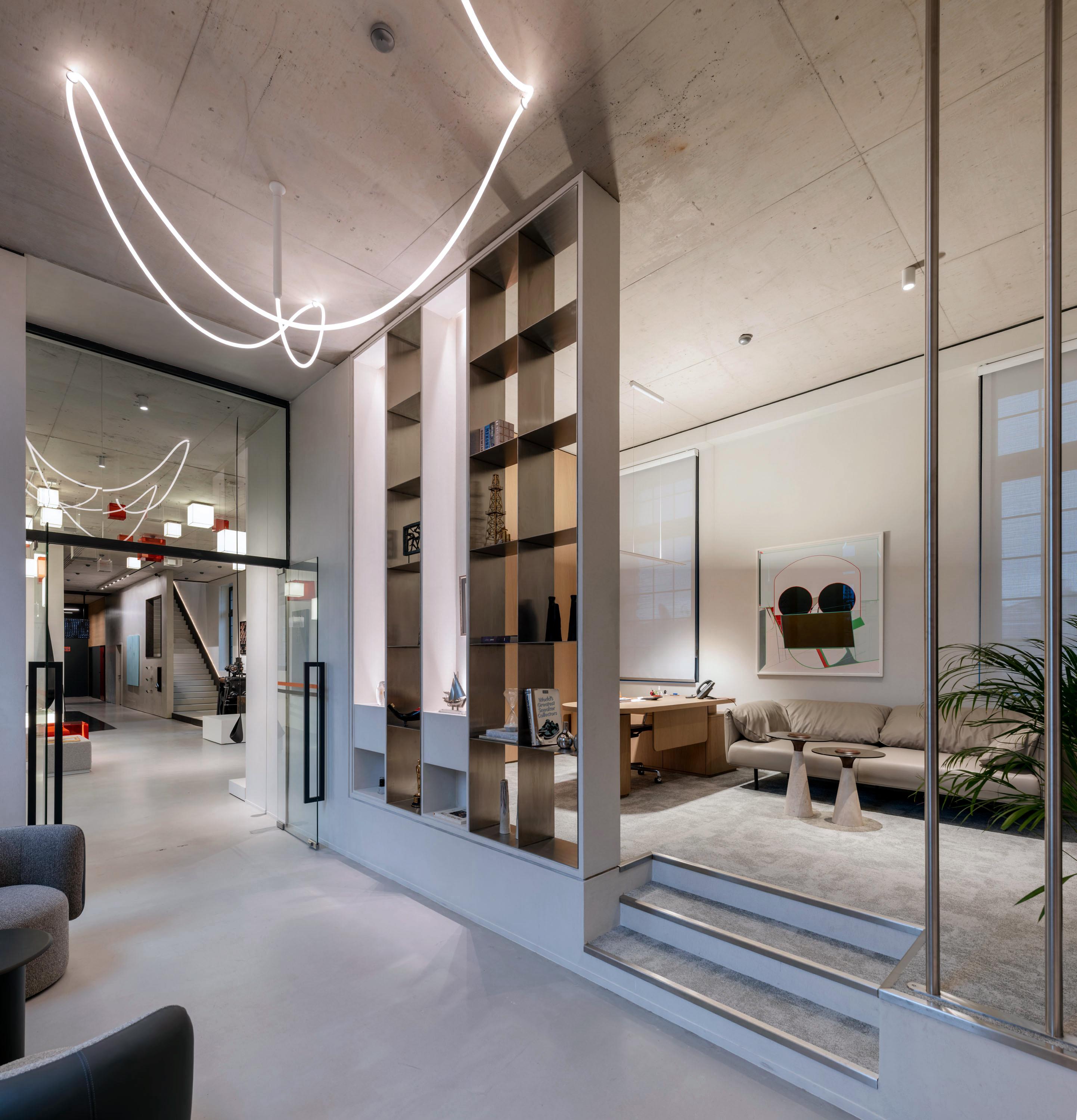
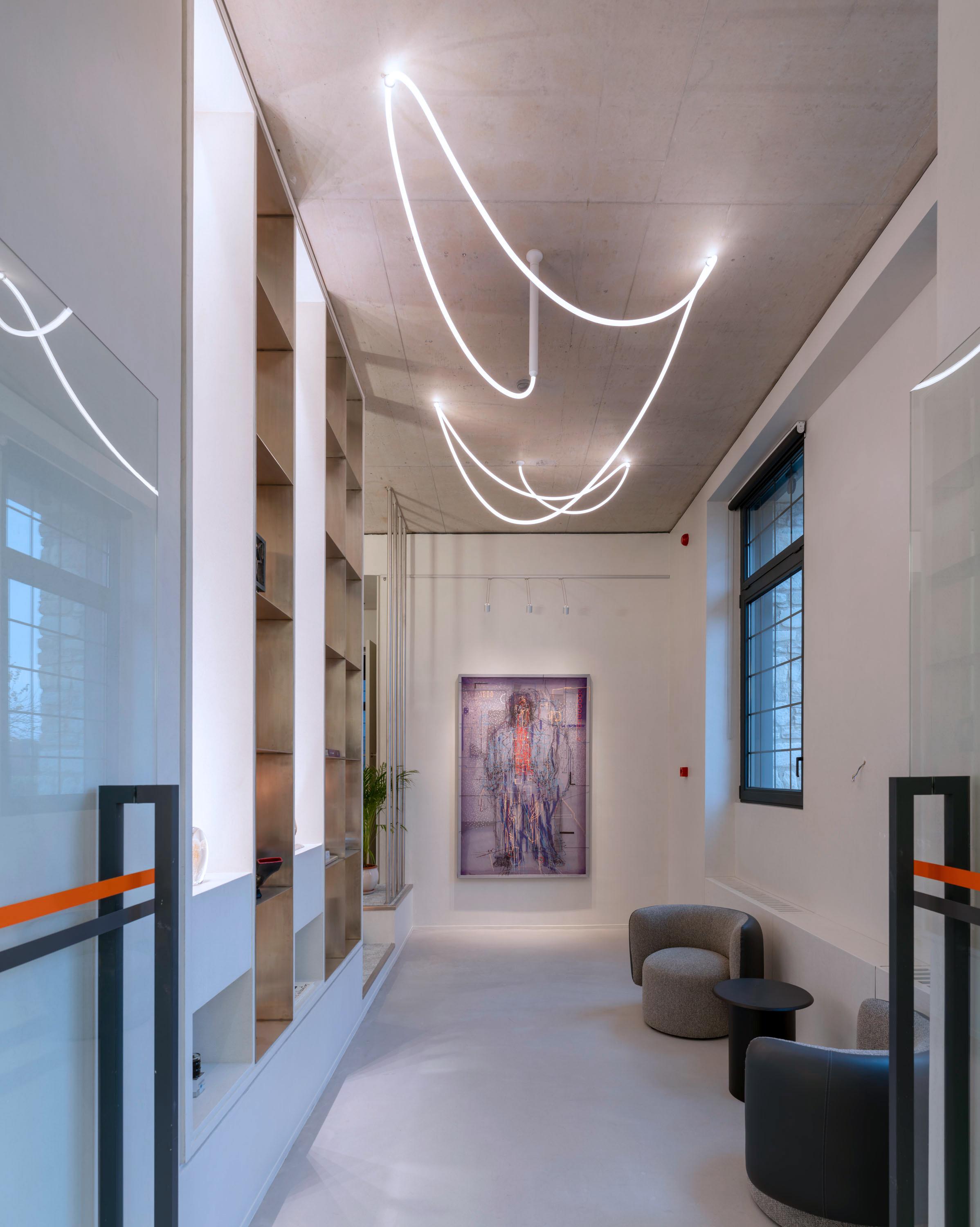
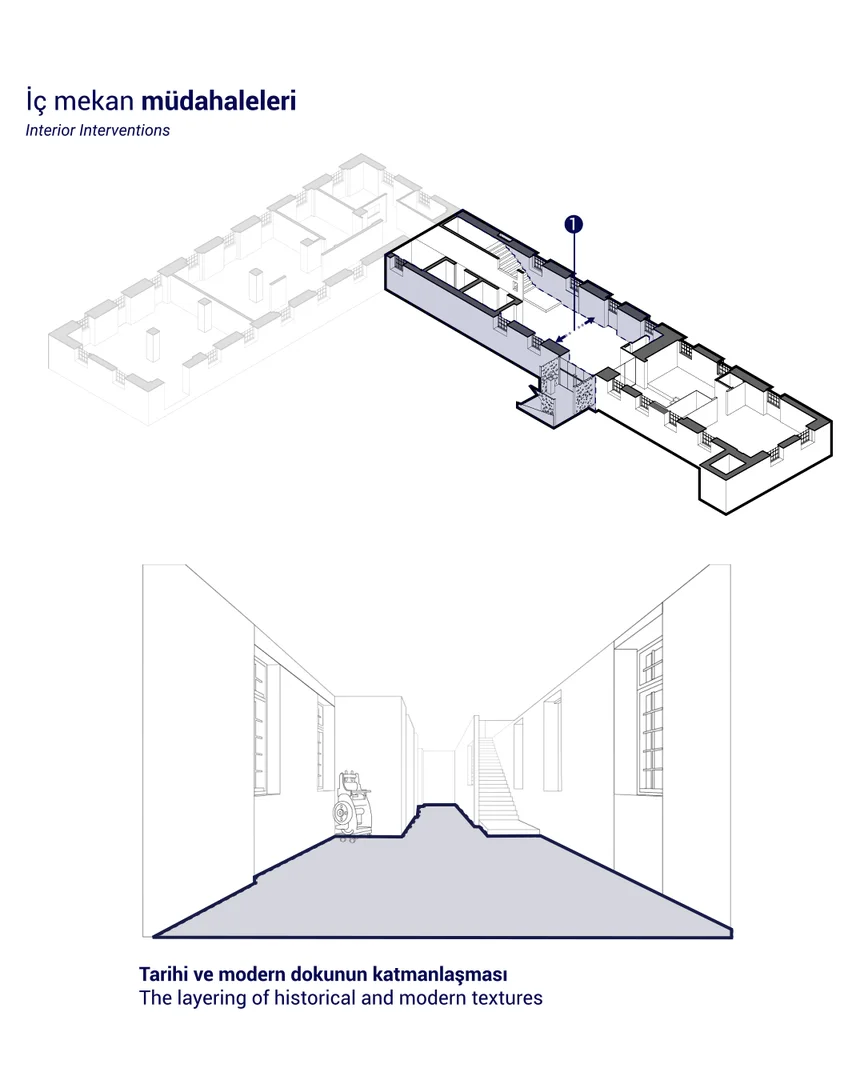
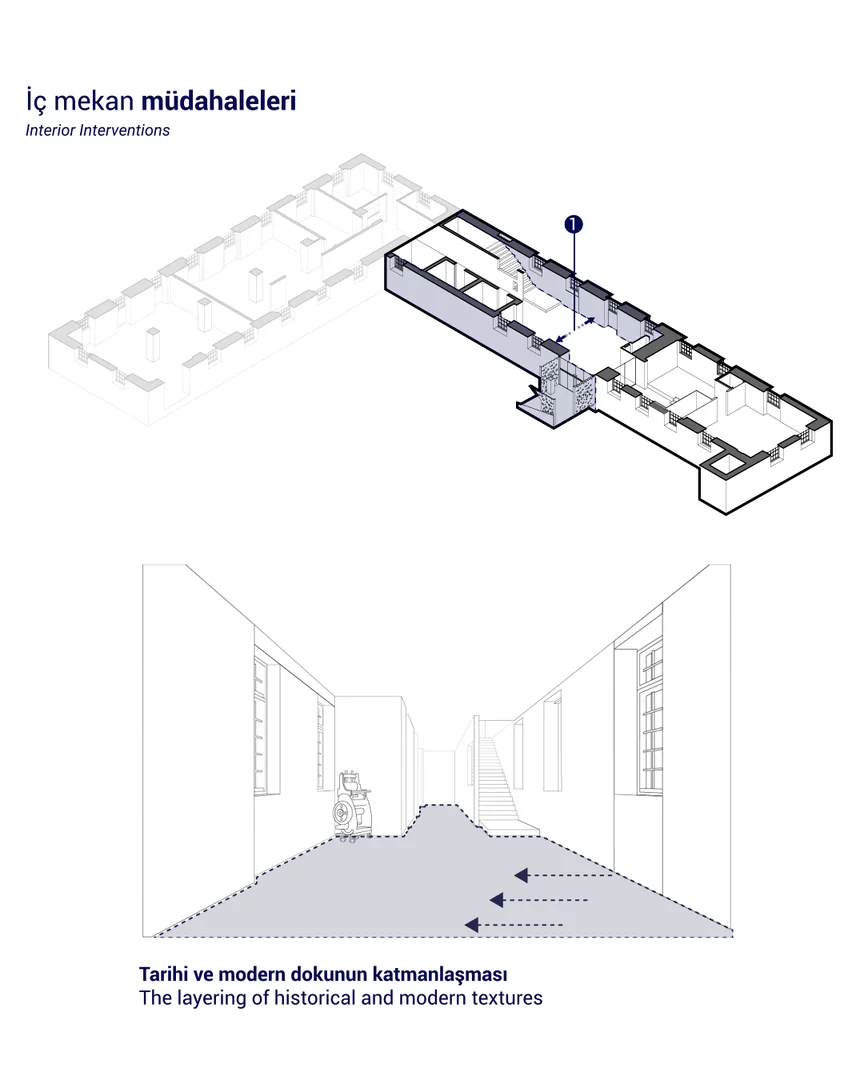
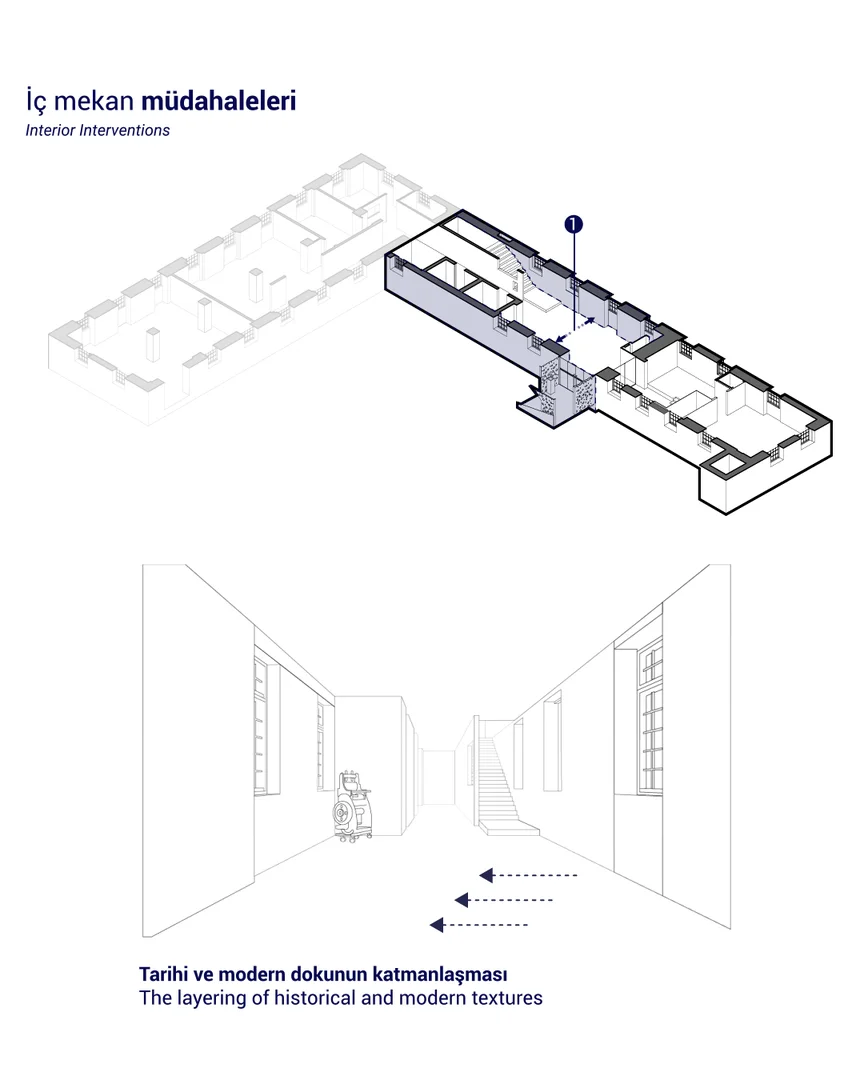
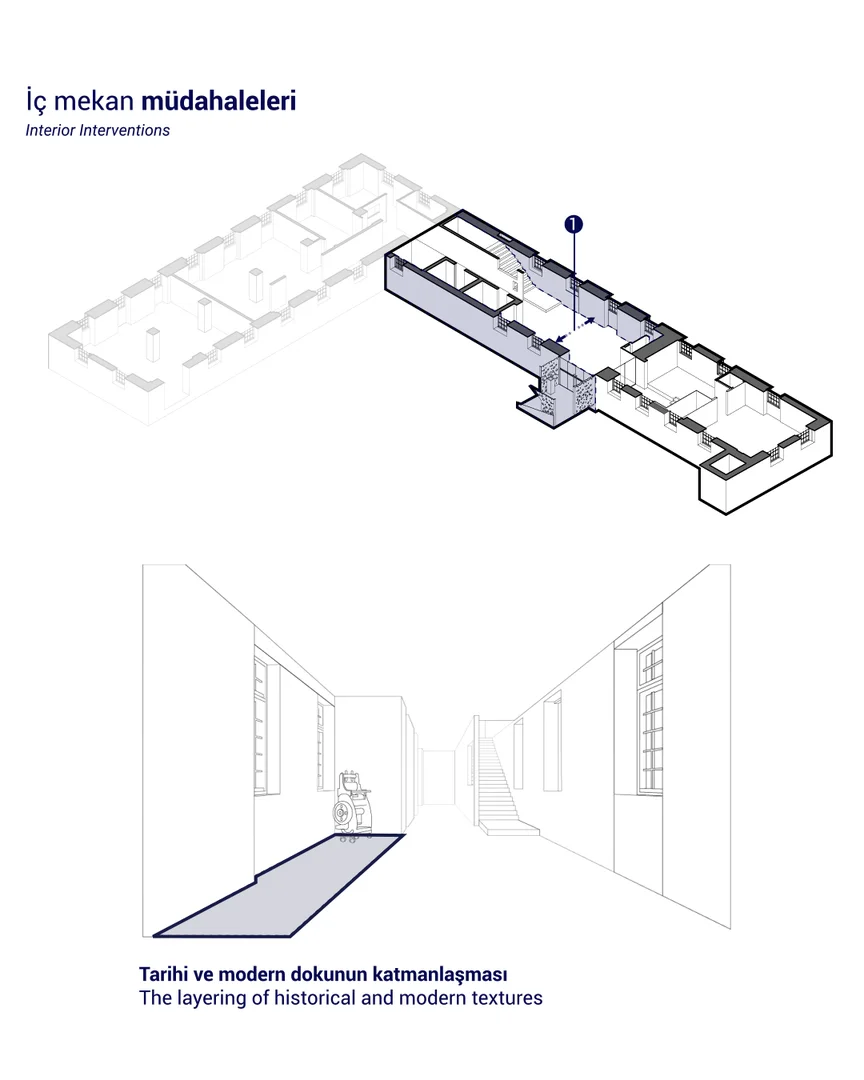
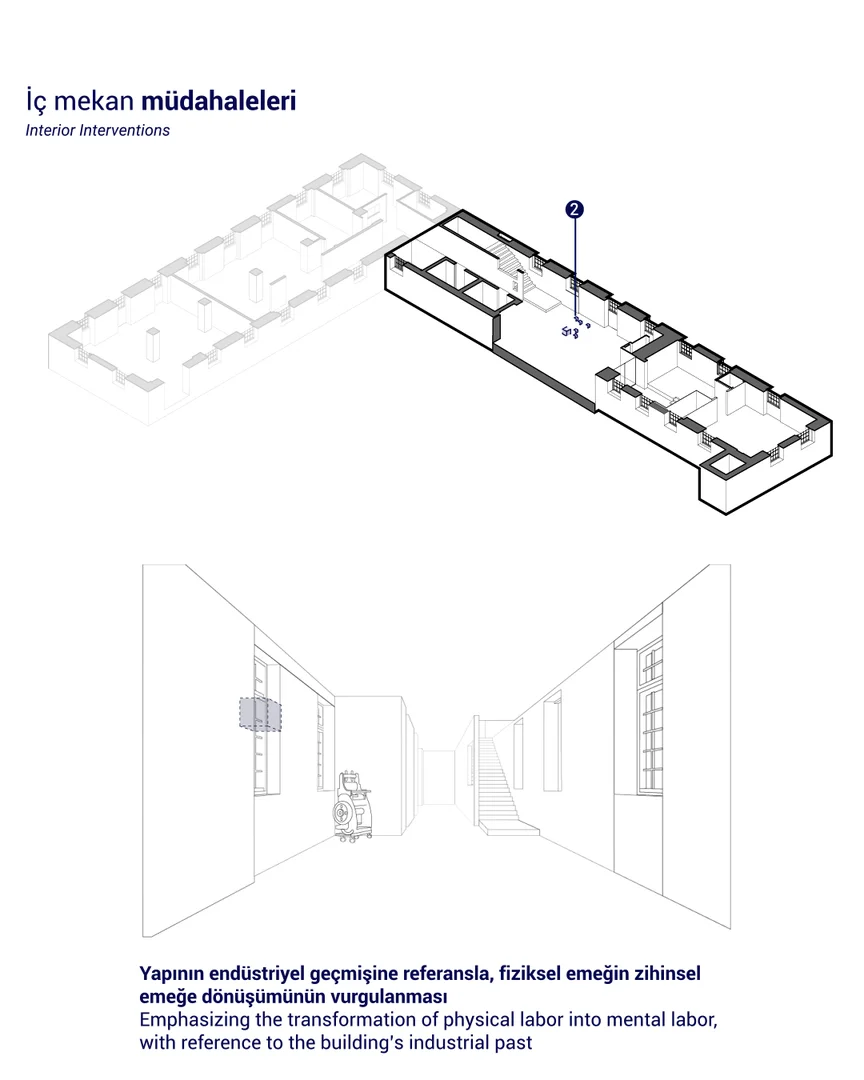
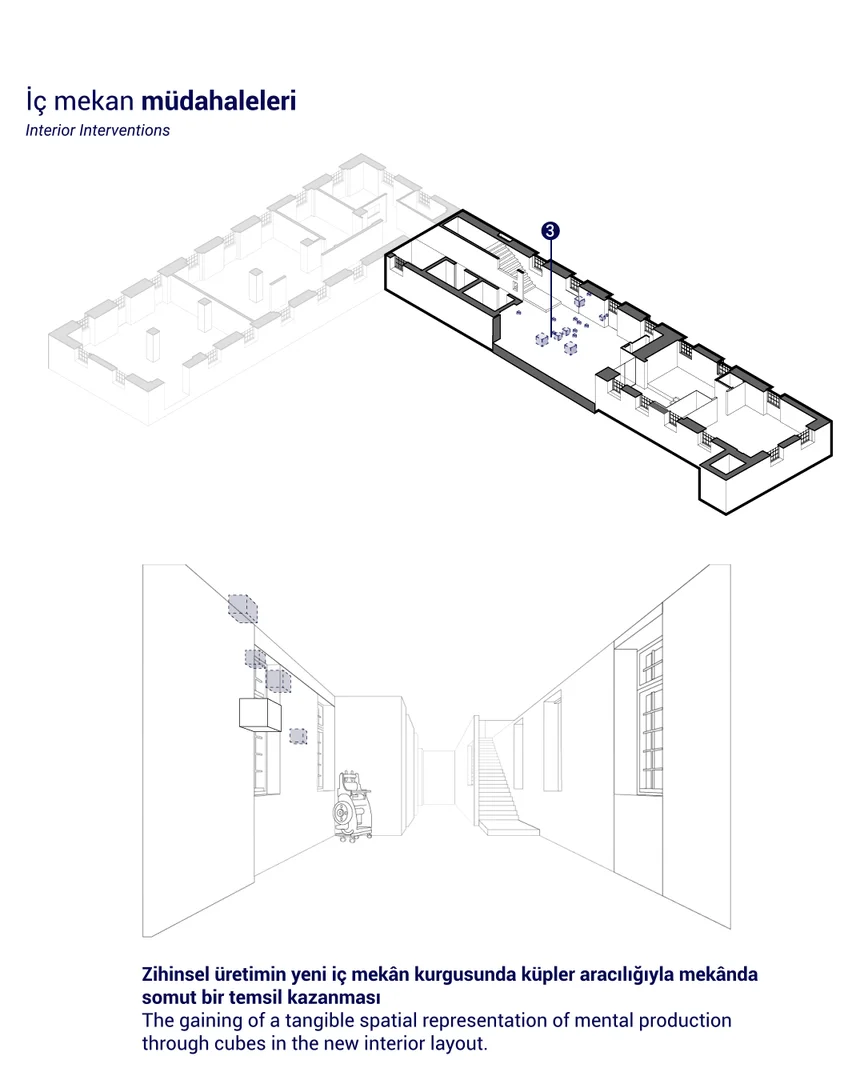
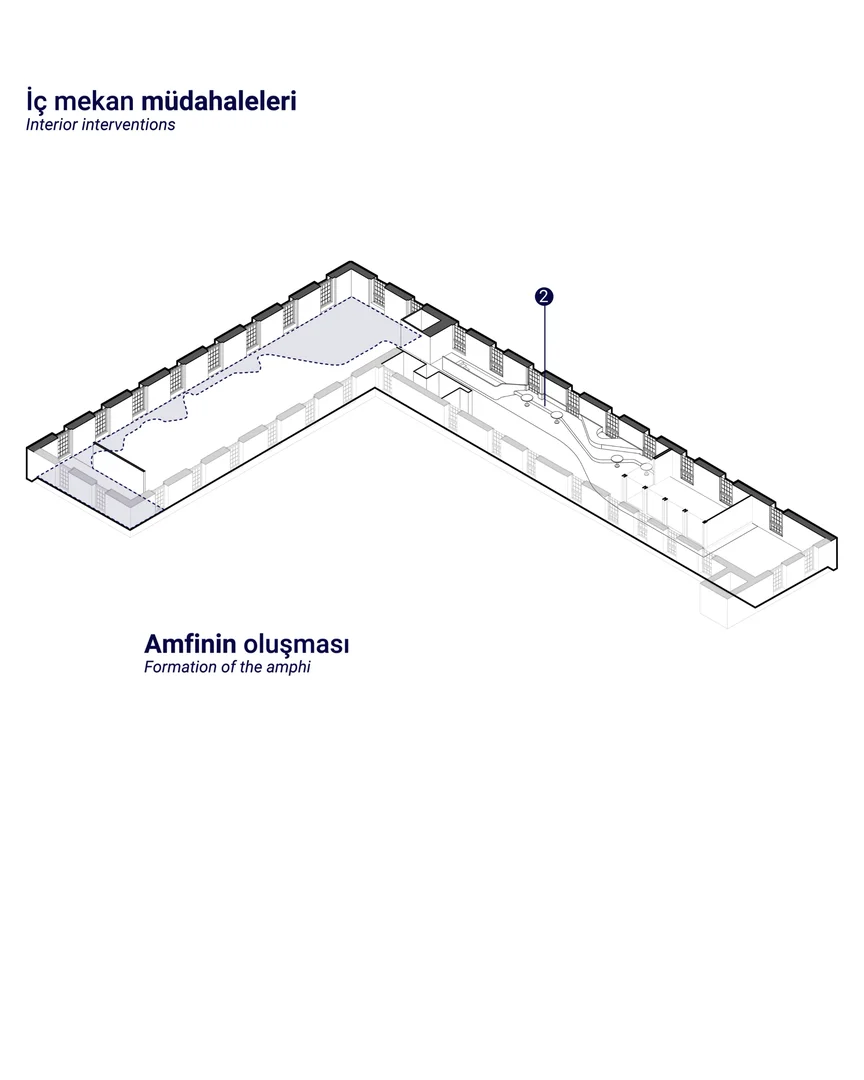
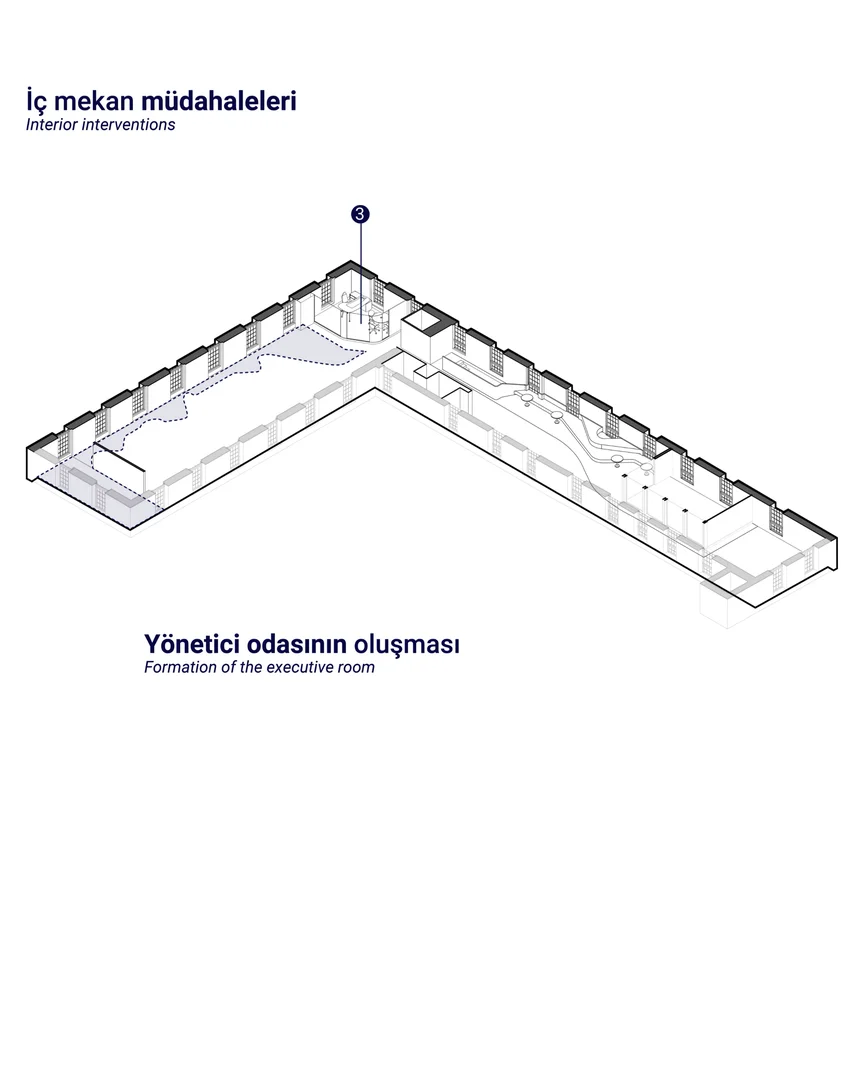
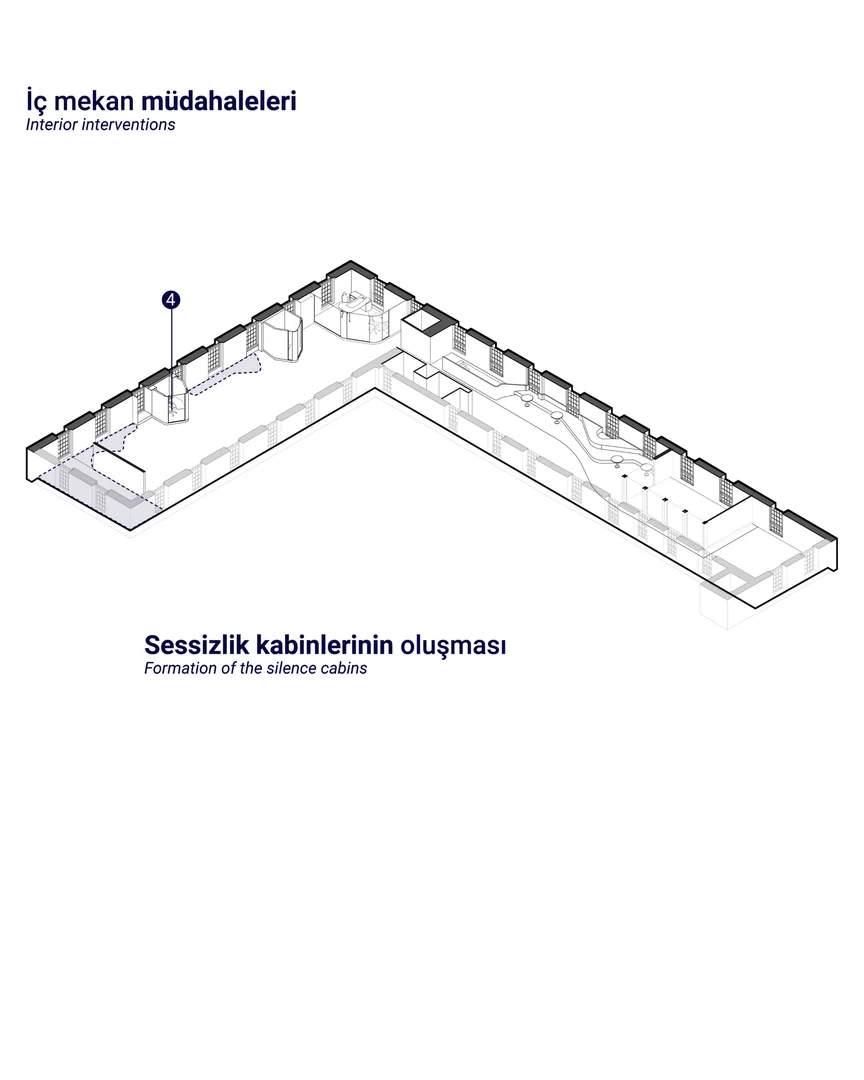
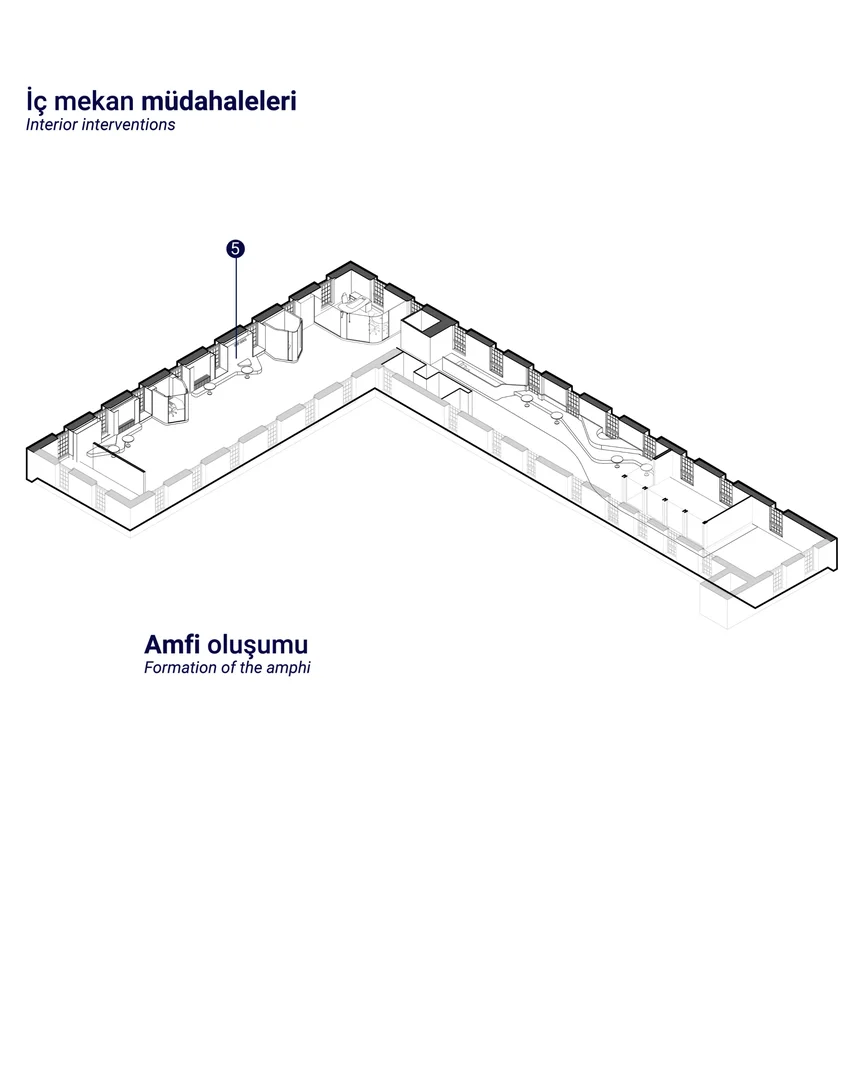
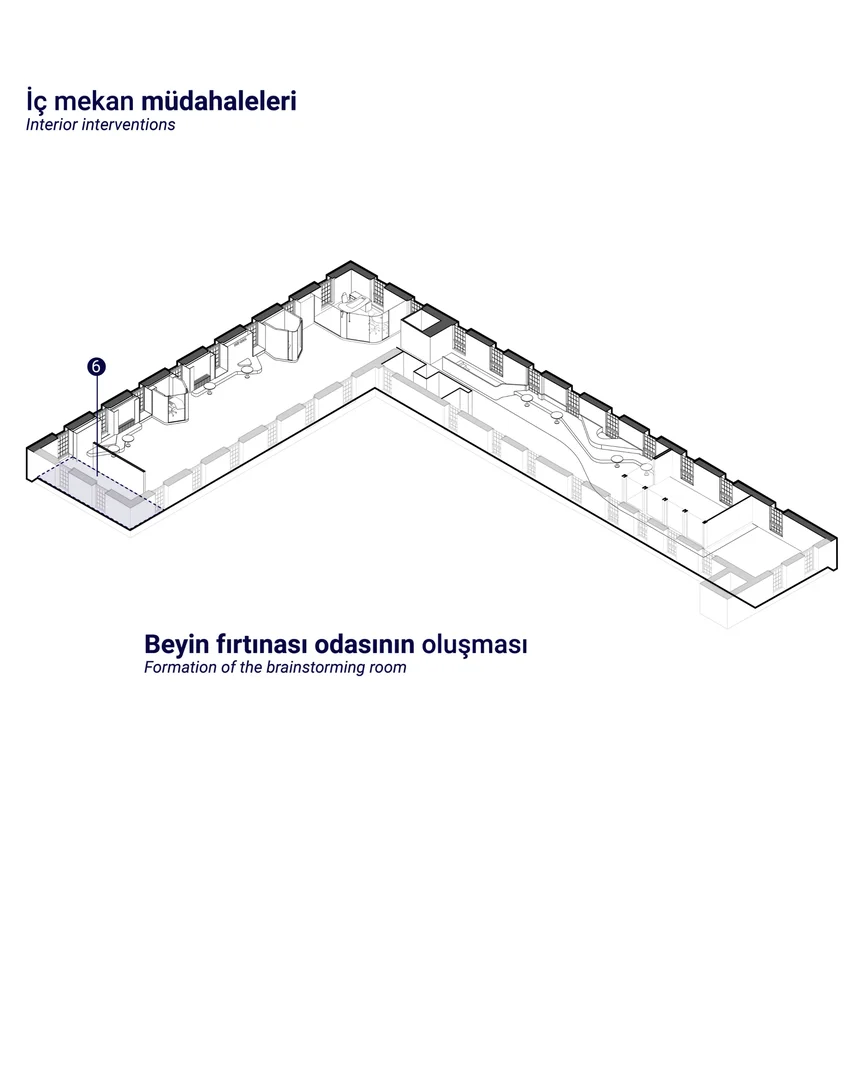
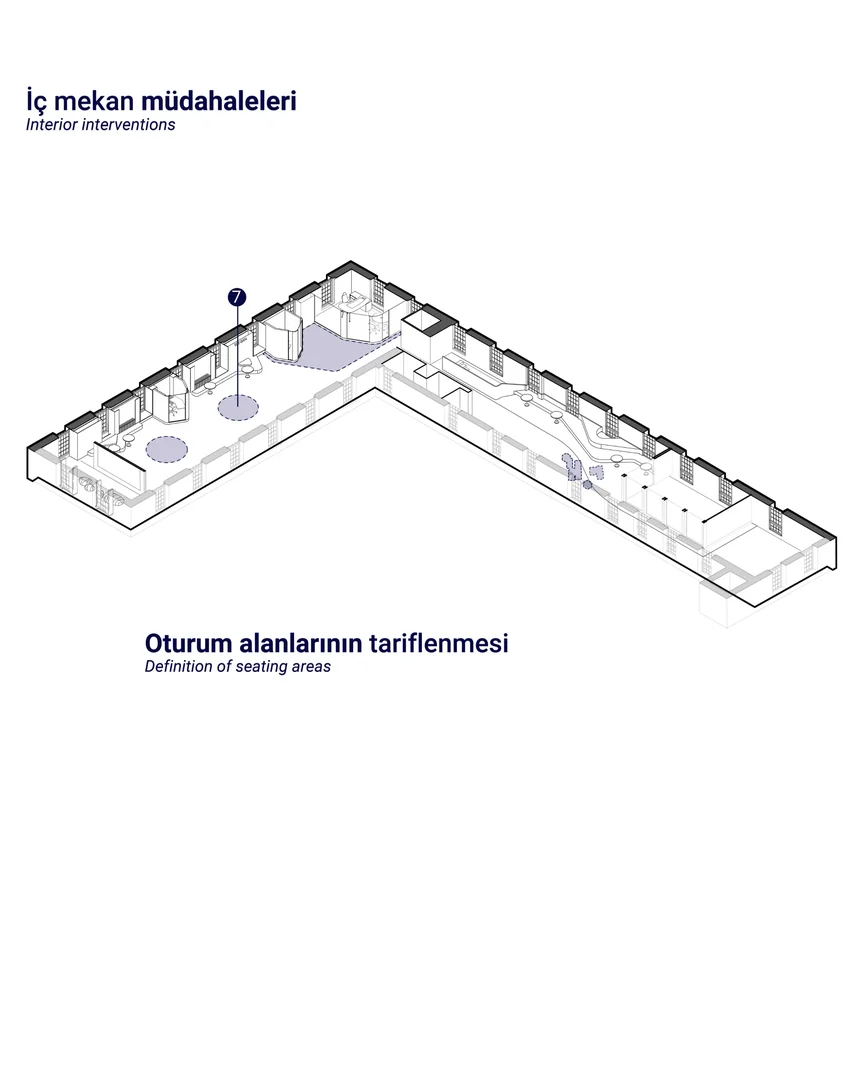
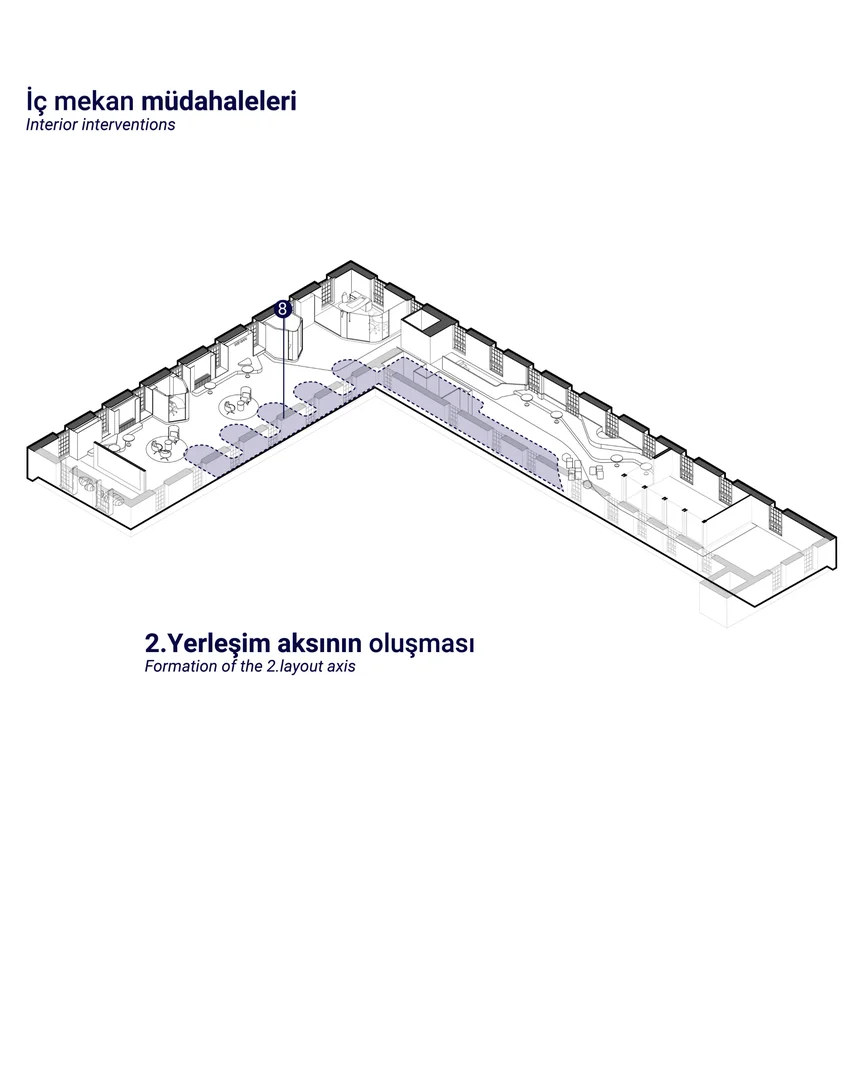
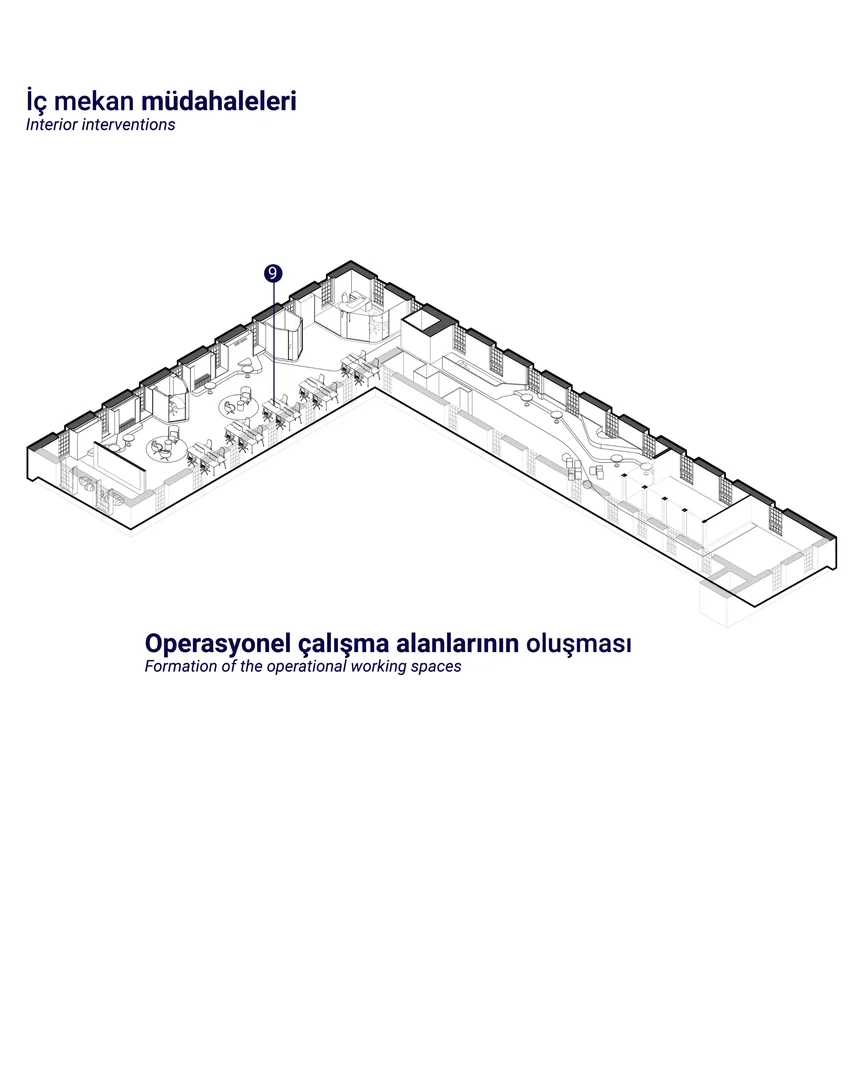
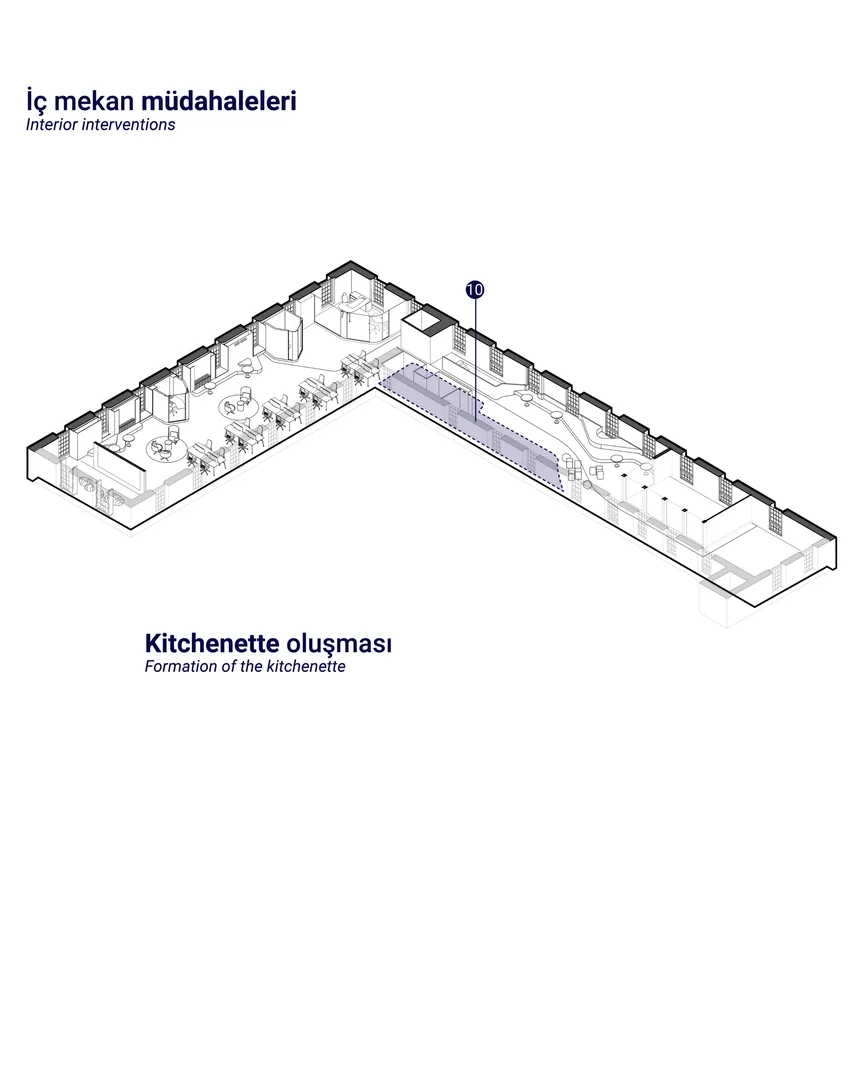
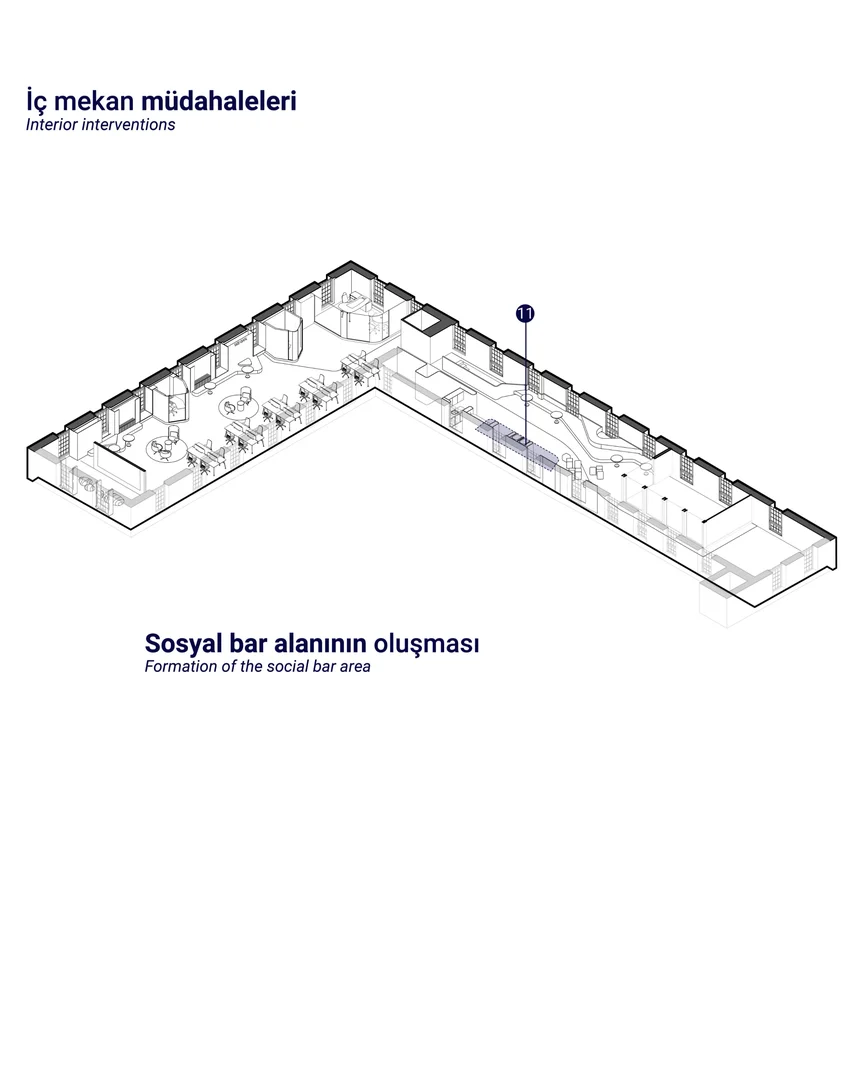
In 2017, a holistic conservation and adaptive reuse programme initiated the building’s transformation. The building underwent a comprehensive restoration process involving Umart Architecture and ONZ Mimarlık, followed by the development of the adaptive reuse strategy and architectural programme by ONZ Mimarlık. The former factory was subsequently transformed into Vitus Commodities’ Algorithm Factory, a workplace dedicated to research and knowledge production. The project preserved the building’s original spatial organisation and material character while introducing contemporary interventions that allowed its historic layers to remain visible.
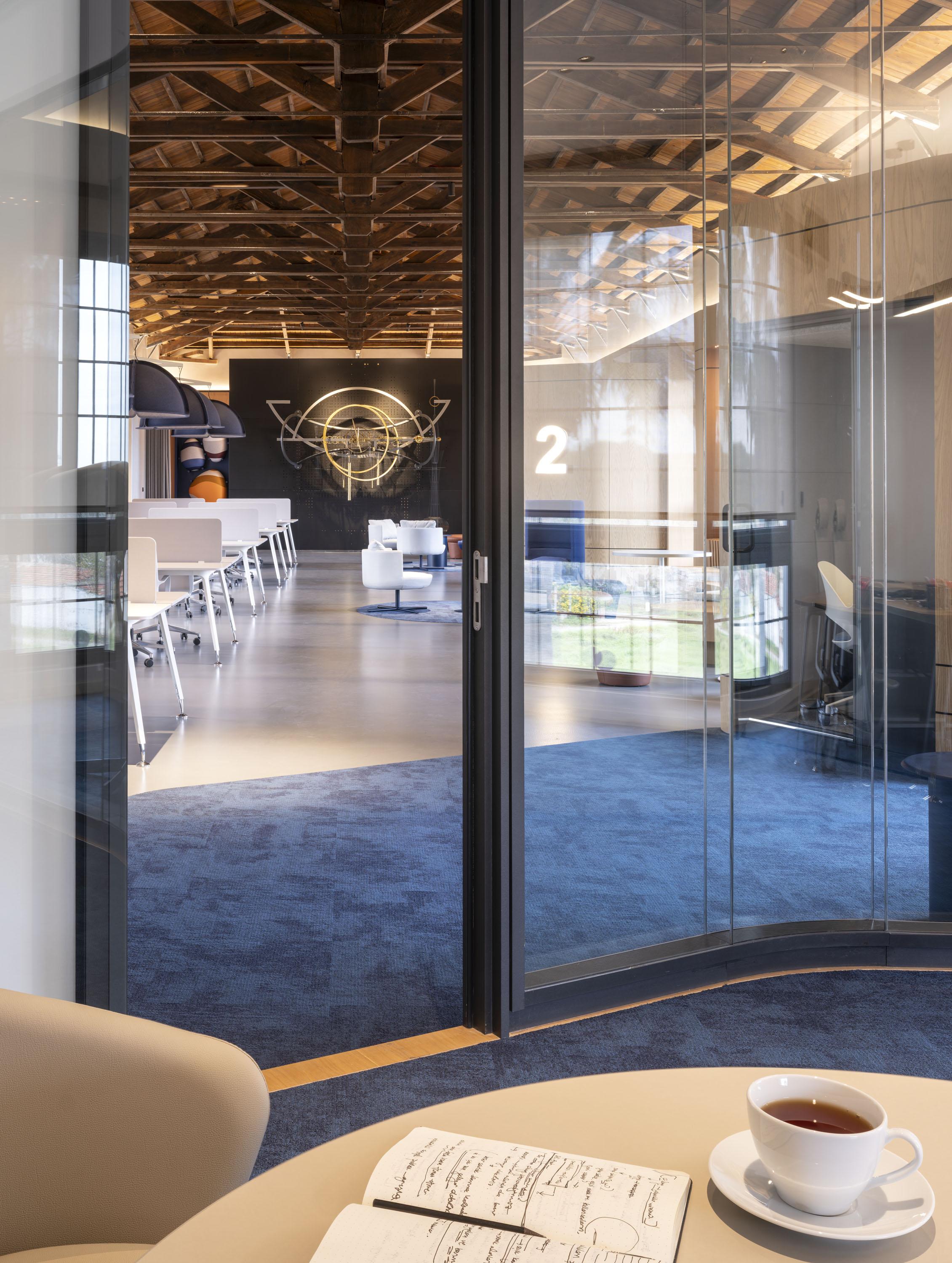
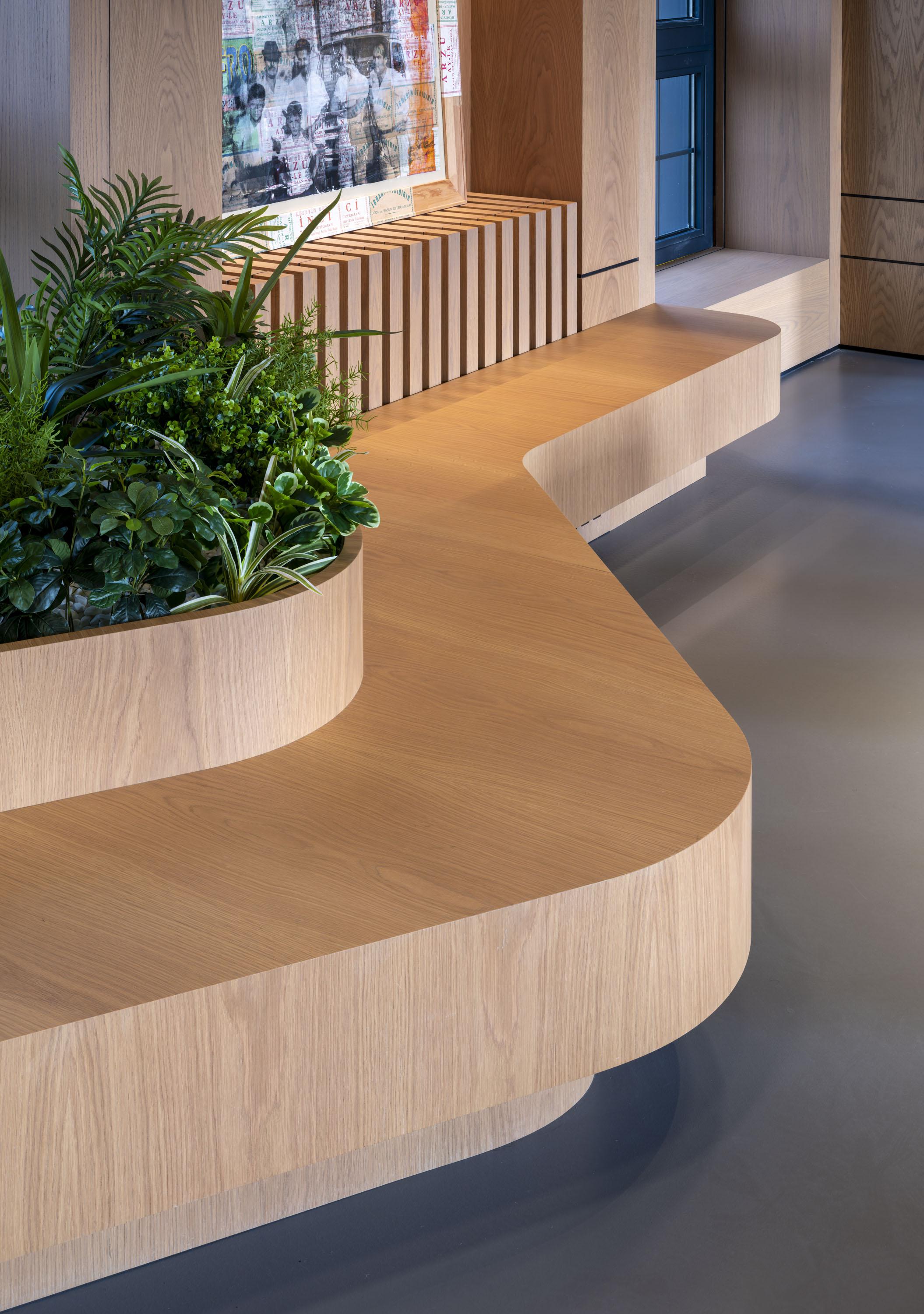
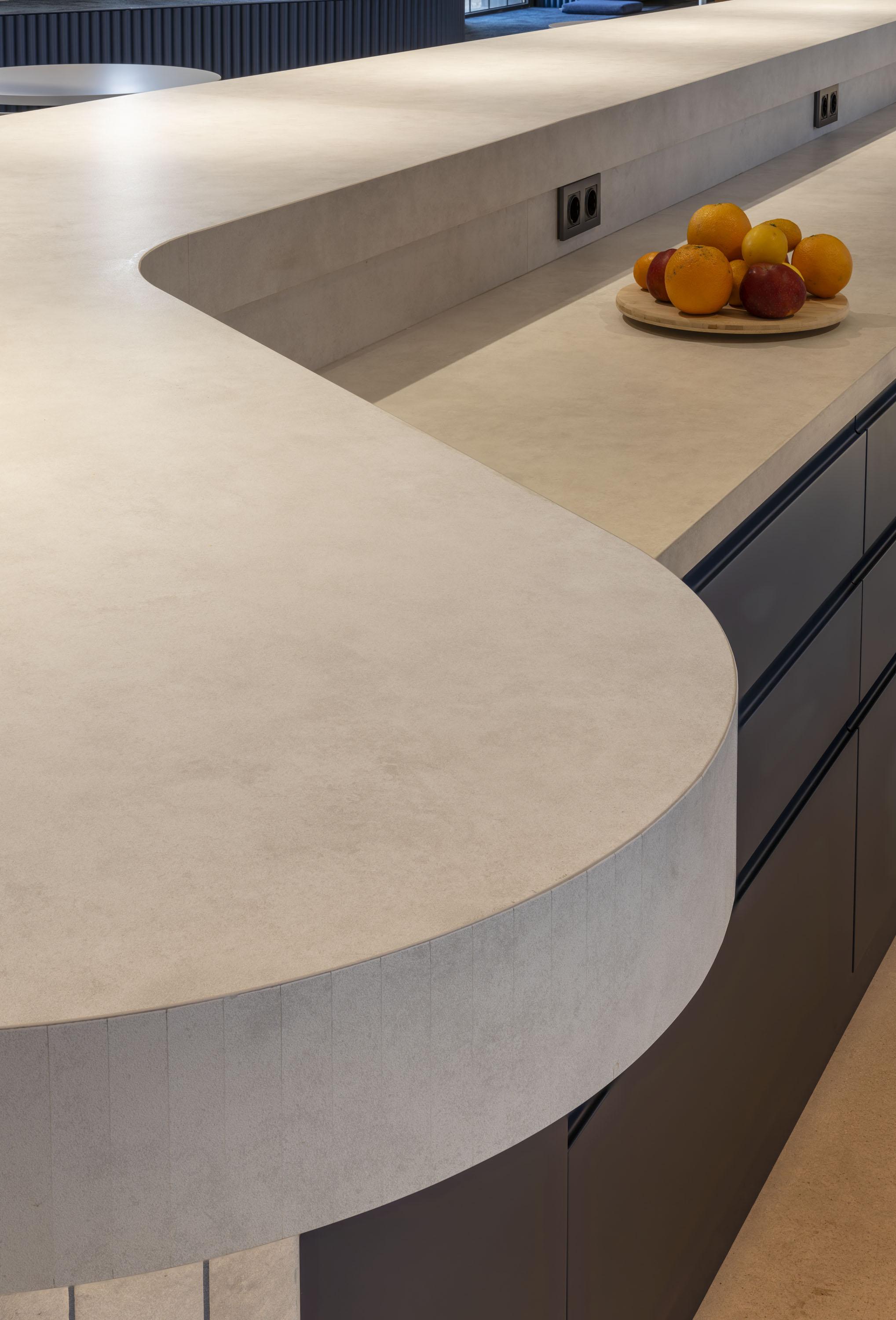
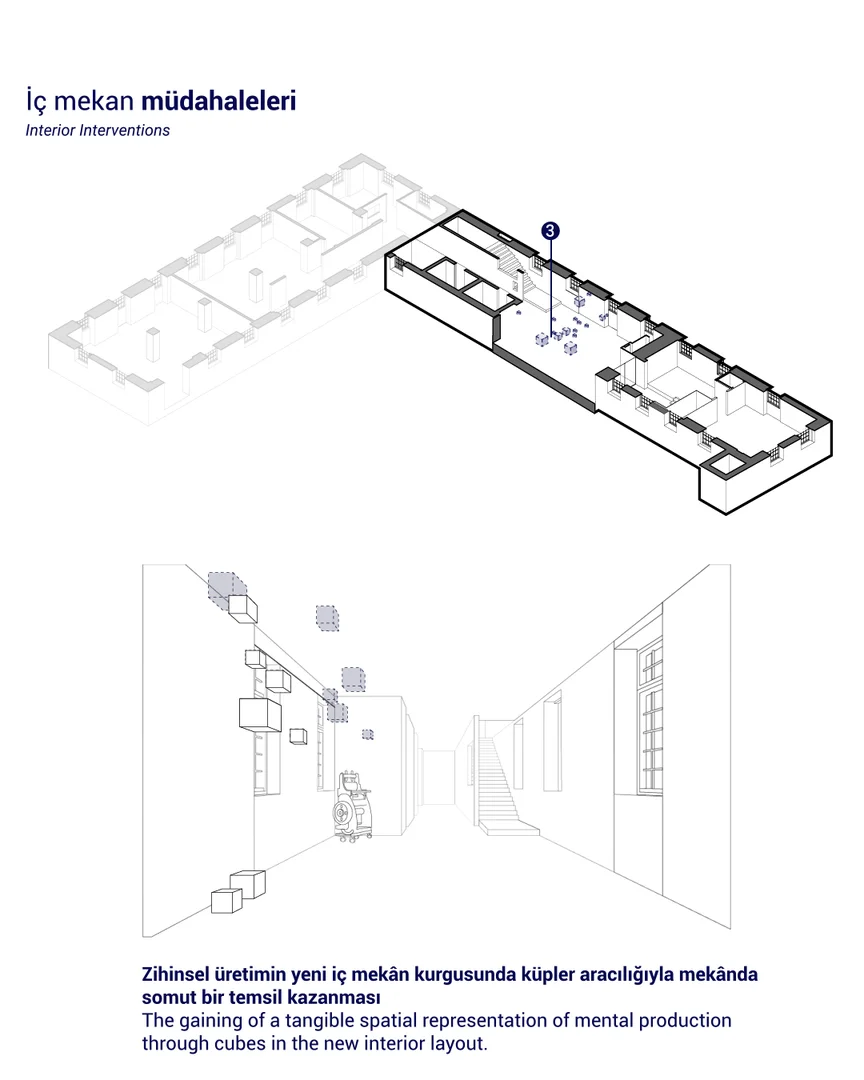
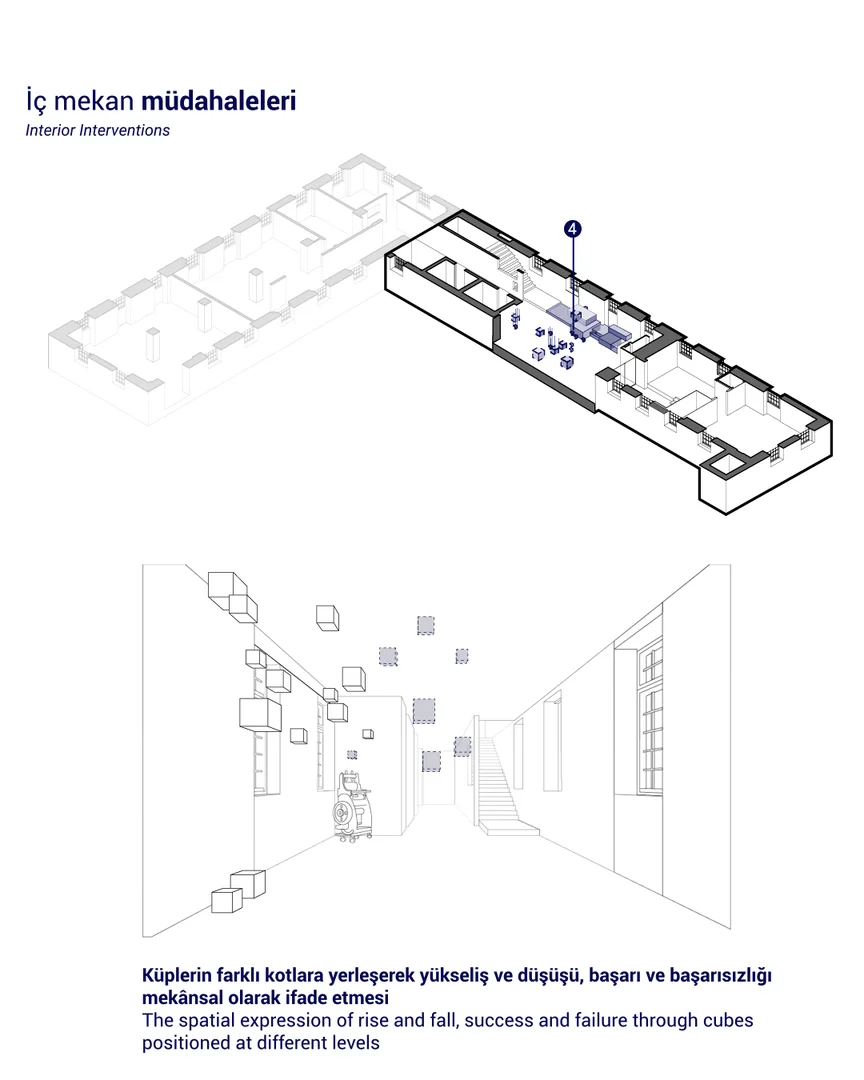
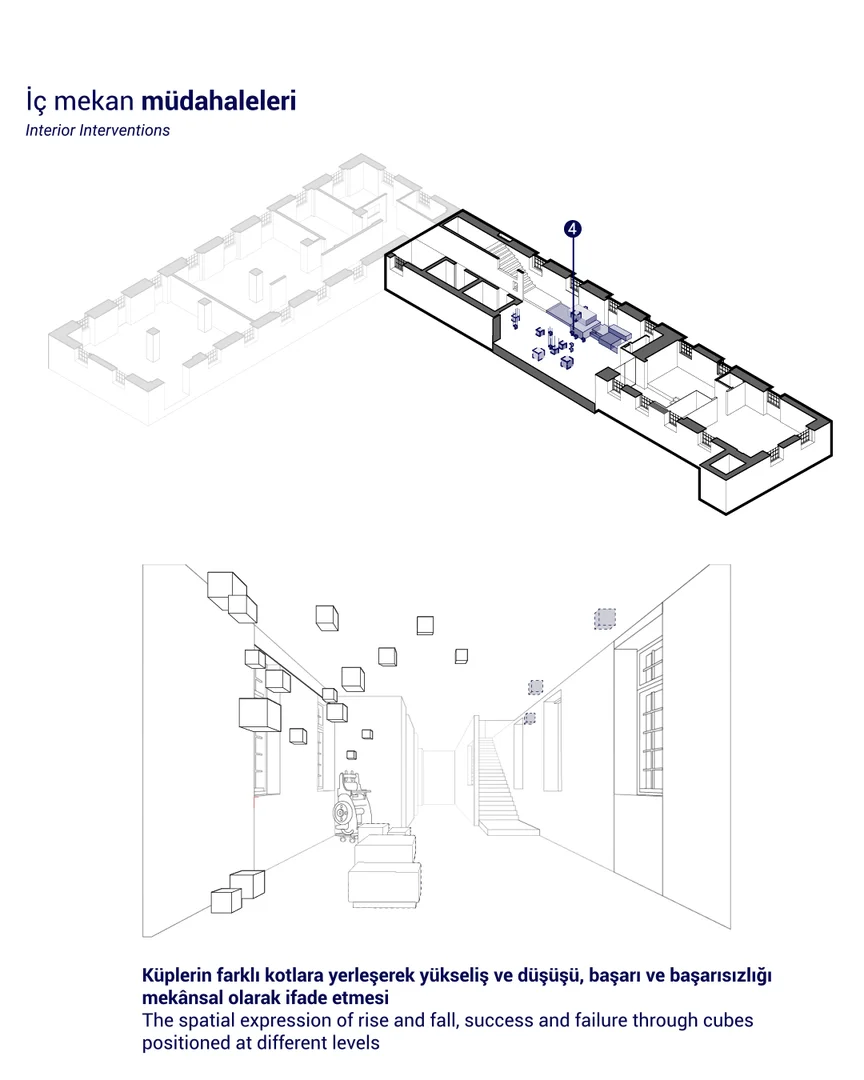
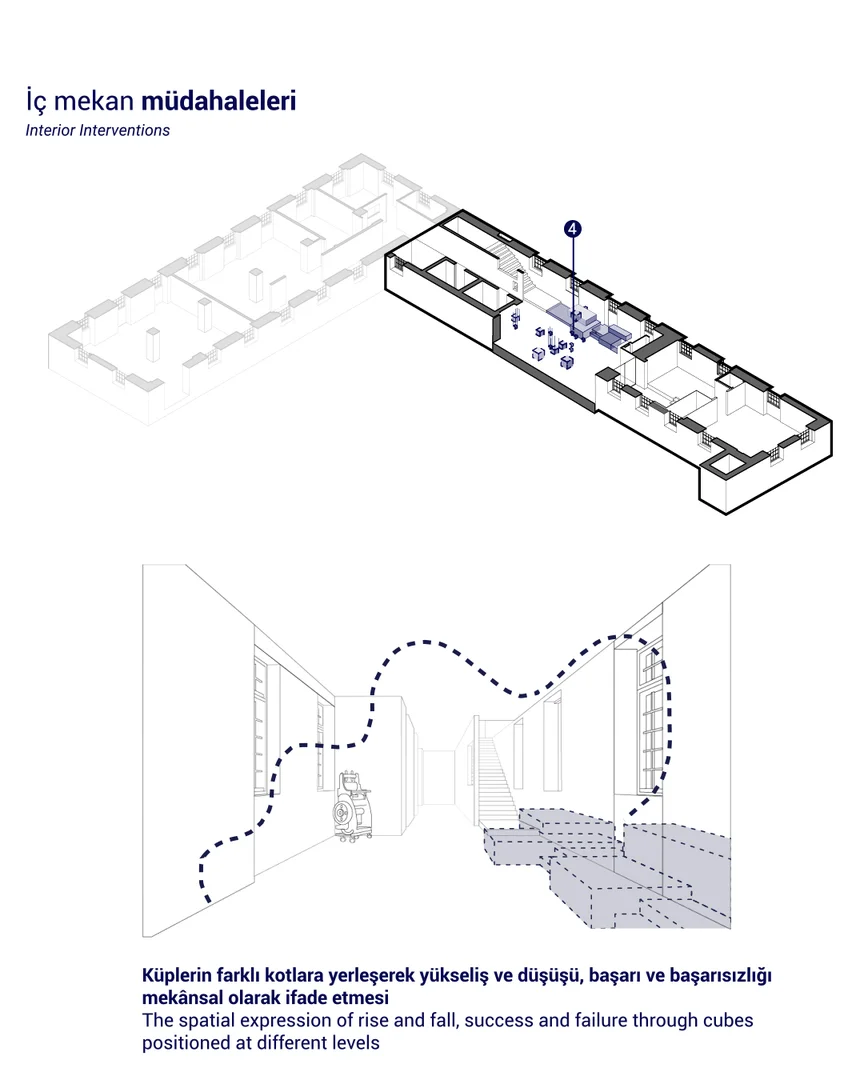
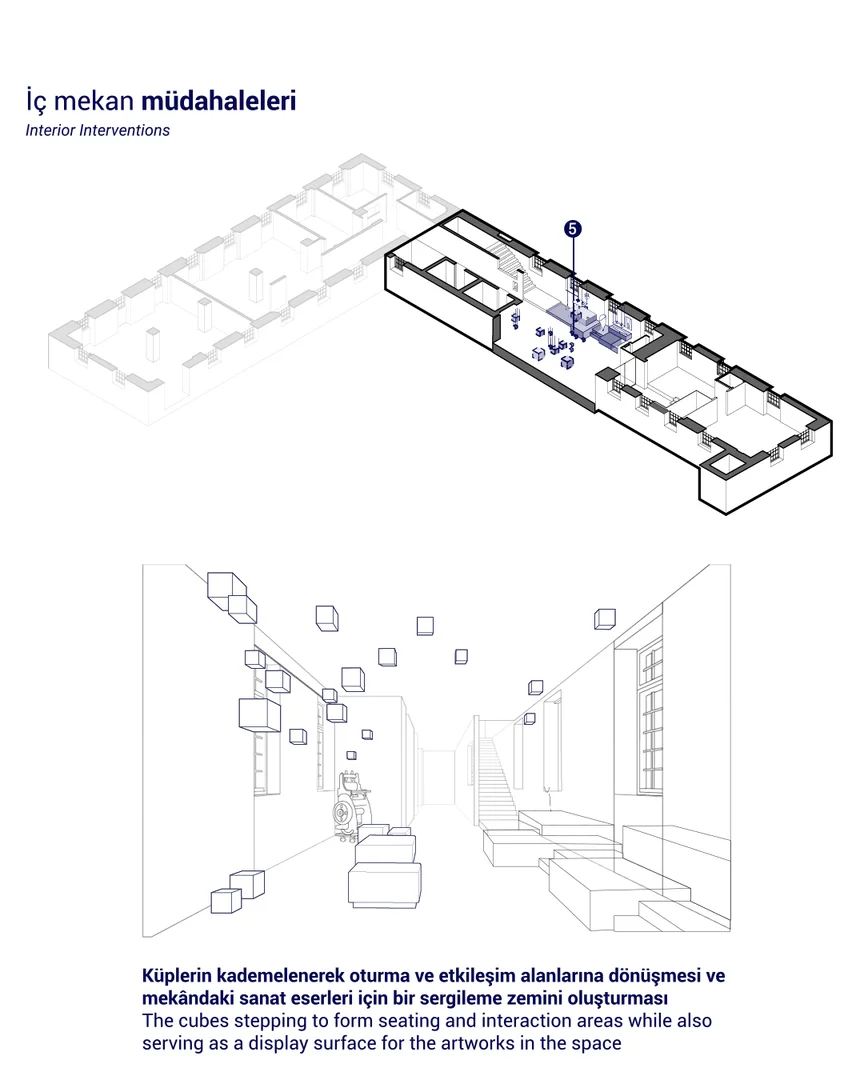
Today, the building accommodates Sepil Holding, representing the latest phase in its ongoing evolution. Rather than replacing previous interventions, the new interior design builds upon them, introducing an additional institutional and cultural layer while maintaining continuity with both the building’s industrial past and its earlier adaptive reuse. Adaptive reuse remains the project’s fundamental design principle, allowing new modes of working, art and social interaction to coexist within the existing architectural fabric.